
Hair loss can affect confidence, appearance, and overall quality of life. Whether it develops gradually because of genetics or occurs because of hormonal changes, stress, nutritional factors, medical conditions, or aging, finding the right treatment starts with understanding the underlying cause. For people looking for Hair Restoration Islamabad, modern aesthetic and regenerative treatments offer several options beyond traditional hair transplantation. Treatments such as PRP therapy and other professionally guided hair restoration approaches may help suitable patients address thinning hair and support healthier-looking hair growth.
At Dr. Shay’s Wellness Clinic, hair and scalp concerns can be evaluated as part of a personalized treatment approach. Dr. Shayasta Mufti, the clinic’s main doctor, can guide patients through their available options and help determine which approach may be appropriate for their individual hair-loss concerns.
This guide explains common hair restoration options, what happens during treatment, potential benefits, and what patients can expect throughout the process.
Medical Disclaimer: This article is for educational purposes only and does not replace professional medical advice. Hair loss can have many different causes, and treatment suitability should be determined following an appropriate professional assessment.
What Is Hair Restoration?
Hair restoration refers to treatments and procedures designed to address hair thinning, hair loss, or reduced hair density.
Depending on the cause and severity of hair loss, treatment may involve:
- PRP therapy
- Medical hair-loss treatments
- Scalp-focused treatments
- Lifestyle and nutritional guidance
- Hair transplantation
- A combination of approaches
The appropriate treatment depends on the individual’s hair-loss pattern, medical history, scalp condition, and goals.
This is why a professional assessment is an important first step.
Hair Restoration Islamabad: Why Professional Assessment Matters
If you are searching for Hair Restoration Islamabad, you may find many different treatments and clinics offering hair-loss solutions.
However, hair loss is not one condition with one universal treatment.
Before choosing a procedure, a professional may evaluate:
- The pattern of hair loss
- How long the hair loss has been occurring
- Scalp condition
- Family history
- Medical history
- Current medications
- Lifestyle factors
- Nutritional factors
- Previous hair-loss treatments
Identifying the possible cause can help determine which treatment options are worth considering.
Common Causes of Hair Loss
Hair loss can occur for many reasons.
Genetic Hair Loss
Genetic or pattern hair loss is one of the most common causes of thinning hair in both men and women.
It can gradually affect hair density in specific areas of the scalp.
Hormonal Changes
Changes in hormone levels can contribute to hair shedding or thinning.
This can occur during different stages of life and may require medical evaluation.
Stress
Significant physical or emotional stress can sometimes contribute to increased hair shedding.
Nutritional Factors
Certain nutritional deficiencies may be associated with hair problems.
If a deficiency is suspected, appropriate testing and professional advice may be required.
Medical Conditions
Some medical conditions can cause temporary or persistent hair loss.
Sudden or unexplained hair loss should be evaluated by a healthcare professional.
Hair Restoration Treatment Options
There is no single treatment that works for everyone.
Depending on the individual assessment, hair restoration options may include the following.
1. PRP Therapy for Hair Loss
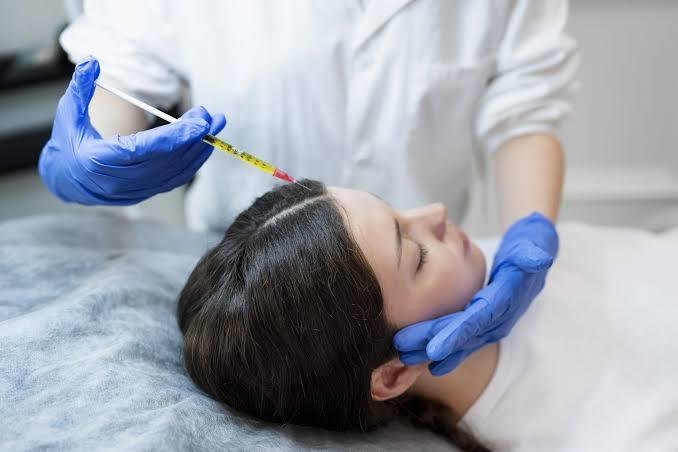
Platelet-Rich Plasma, commonly known as PRP, is a minimally invasive treatment that uses a patient’s own blood components.
A small blood sample is collected and processed to prepare platelet-rich plasma. The prepared PRP is then administered into selected areas of the scalp.
PRP is often discussed as an option for individuals experiencing certain forms of hair thinning.
Potential Benefits of PRP
PRP may offer several potential advantages:
- Minimally invasive treatment
- Uses the patient’s own blood components
- No traditional surgical incision
- Relatively limited downtime
- Can be incorporated into a personalized hair restoration plan
Results vary, and PRP is not appropriate for every type or cause of hair loss.
2. Medical Hair-Loss Treatment
Depending on the cause of hair loss, a healthcare professional may recommend medical treatment.
Treatment can vary according to:
- Diagnosis
- Age
- Sex
- Medical history
- Existing medications
- Type of hair loss
Medical treatment should only be used under appropriate professional guidance.
3. Hair Transplantation
Hair transplantation is a surgical approach that moves hair follicles from one area of the scalp to another.
It can be considered for certain individuals with suitable donor hair and specific types of permanent hair loss.
Hair transplantation is different from non-surgical treatments such as PRP and involves a more significant procedure and recovery process.
A professional assessment is necessary to determine candidacy.
4. Scalp and Hair Health Support
A hair restoration plan may also involve improving overall scalp and hair health.
Depending on individual needs, this may include guidance related to:
- Nutrition
- Scalp care
- Hair-care practices
- Lifestyle factors
- Medical evaluation
Addressing contributing factors can be an important part of a comprehensive approach.
How Does PRP Hair Restoration Work?
PRP treatment generally involves three main stages.
Step 1: Blood Collection
A small amount of blood is collected from the patient.
Step 2: PRP Preparation
The blood is processed using specialized equipment to separate the platelet-rich component.
Step 3: Scalp Administration
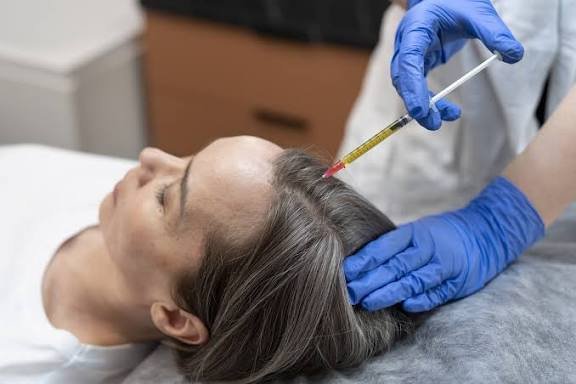
The prepared PRP is administered into selected areas of the scalp using a clinical injection technique.
The exact treatment protocol may vary depending on the patient’s condition and the provider’s approach.
What to Expect During a Hair Restoration Consultation
A consultation with an experienced medical professional is an important part of the process.
At Dr. Shay’s Wellness Clinic, patients can discuss their hair-loss concerns with Dr. Shayasta Mufti, the clinic’s main doctor.
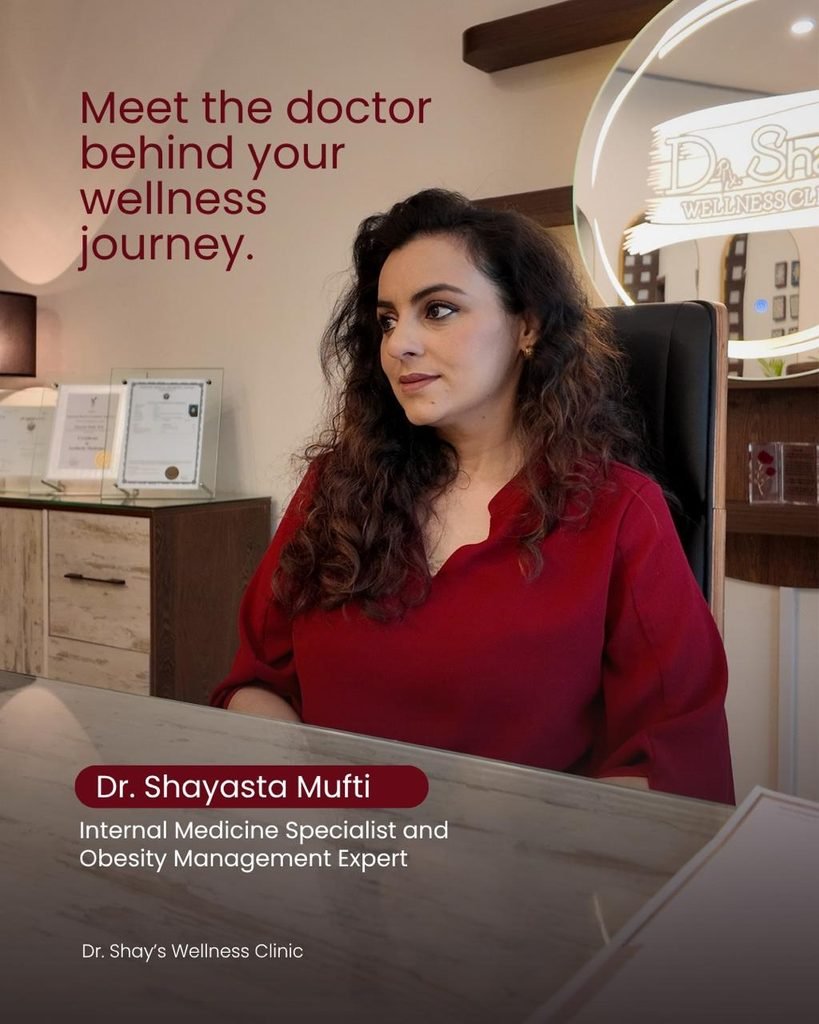
During an assessment, Dr. Shayasta Mufti may discuss:
- Your hair-loss history
- Areas of thinning
- Scalp condition
- Previous treatments
- Medical history
- Your restoration goals
- Potential treatment options
This personalized approach helps patients understand which options may be appropriate instead of choosing a treatment based solely on advertisements or online information.
What Happens During a Hair Restoration Treatment?
The treatment experience depends on the selected procedure.
For a PRP session, the process may generally include:
- Consultation and scalp assessment
- Blood collection
- Processing of the blood sample
- Preparation of PRP
- Scalp preparation
- Administration of PRP
- Aftercare instructions
The duration can vary depending on the treatment protocol.
Your doctor should explain the procedure before treatment begins.
Is Hair Restoration Painful?
Comfort varies depending on the treatment.
PRP treatment involves injections into the scalp, so some patients may experience:
- Mild pinching
- Pressure
- Temporary discomfort
- Tenderness
The level of discomfort can vary from person to person.
If you are concerned about the procedure, discuss pain-management and comfort options with your healthcare professional before treatment.
How Many Hair Restoration Sessions Are Needed?
The number of treatments depends on several factors, including:
- Type of hair loss
- Severity of thinning
- Treatment selected
- Individual response
- Overall treatment goals
Some treatment plans may involve multiple sessions followed by assessment or maintenance.
There is no universal treatment schedule that applies to every patient.
Your doctor can recommend a treatment plan after evaluating your hair and scalp.
When Can You Expect Hair Restoration Results?
Hair growth is naturally gradual.
As a result, treatments designed to support hair growth generally do not produce instant results.
The timeline can vary according to:
- Cause of hair loss
- Treatment method
- Stage of hair thinning
- Individual response
- Overall health
Patients should be cautious about clinics that guarantee dramatic results within a specific short period.
A professional should explain realistic expectations before treatment.
What Are the Potential Benefits of Hair Restoration?
The potential benefits depend on the treatment chosen and the individual’s condition.
A professionally designed hair restoration plan may aim to:
Improve the Appearance of Hair Density
Suitable treatments may help address areas of visible thinning.
Support Hair Growth
Certain treatments may support biological processes associated with hair growth in appropriate patients.
Address Specific Hair-Loss Concerns
Treatment can be tailored to areas such as the hairline, crown, or general scalp thinning.
Provide a Personalized Approach
Different causes of hair loss require different strategies.
Hair Restoration vs Hair Transplant
These terms are sometimes used interchangeably, but they are not the same.
Hair Restoration
Hair restoration is a broad term that can include non-surgical and surgical approaches to hair loss.
Hair Transplant
A hair transplant is a surgical procedure that relocates hair follicles from one area of the scalp to another.
PRP
PRP is a minimally invasive treatment that uses platelet-rich plasma prepared from the patient’s own blood.
A consultation can help determine which approach may be appropriate for an individual’s situation.
Who May Be a Candidate for Hair Restoration?
Suitability depends on the cause and type of hair loss.
A professional may consider:
- Age
- Hair-loss pattern
- Scalp health
- Existing medical conditions
- Current medications
- Hair density
- Treatment expectations
Not every patient is suitable for every procedure.
For example, sudden or unexplained hair loss may require investigation of an underlying medical cause before an aesthetic treatment is considered.
Potential Risks and Side Effects
Hair restoration procedures have different risks depending on the treatment.
For PRP, temporary effects may include:
- Redness
- Swelling
- Scalp tenderness
- Bruising
- Mild discomfort
Because PRP involves injections, infection and other complications are possible, particularly if appropriate clinical standards are not followed.
Surgical hair restoration procedures have additional risks and recovery requirements.
Your doctor should explain the potential risks associated with your recommended treatment before proceeding.
How to Prepare for Hair Restoration Treatment
Preparation depends on the procedure.
Before treatment, tell your doctor about:
- Prescription medications
- Supplements
- Allergies
- Existing medical conditions
- Previous hair treatments
- Previous reactions to injections or procedures
Do not stop prescribed medications without professional medical advice.
Your provider may give additional instructions based on your individual treatment plan.
Hair Restoration Aftercare
Aftercare depends on the treatment you receive.
For non-surgical procedures such as PRP, your provider may provide instructions regarding:
- Scalp washing
- Hair products
- Exercise
- Sun exposure
- Scalp care
Following professional aftercare instructions can help support the treatment process.
If you develop severe or unusual symptoms after treatment, contact your healthcare provider.
How to Support Healthy Hair Growth
Hair restoration treatments are only one part of maintaining healthy hair.
Eat a Balanced Diet
Adequate nutrition supports normal hair and body function.
If you suspect a nutritional deficiency, consult a healthcare professional rather than taking high-dose supplements without guidance.
Manage Stress
Long-term stress can affect overall wellbeing and may contribute to certain types of hair shedding.
Protect Your Scalp
Follow appropriate scalp-care practices and avoid unnecessary irritation.
Avoid Excessive Hair Damage
Frequent heat styling, harsh chemicals, or very tight hairstyles can contribute to hair damage.
Address Hair Loss Early
If you notice persistent or increasing hair loss, professional evaluation can help identify potential causes.
Why Choose Dr. Shay’s Wellness Clinic for Hair Restoration in Islamabad?
When considering Hair Restoration Islamabad, choosing a clinic with a professional consultation process is important.
At Dr. Shay’s Wellness Clinic, patients can discuss their hair and scalp concerns with Dr. Shayasta Mufti, the clinic’s main doctor.
Dr. Shayasta Mufti can help patients understand their individual concerns and discuss potentially suitable treatment options based on professional assessment.
The clinic’s approach can focus on:
- Individual consultation
- Understanding the cause of hair concerns
- Personalized treatment planning
- Professional guidance
- Realistic expectations
- Appropriate follow-up
Rather than choosing a procedure simply because it is popular, patients can first discuss their individual situation and explore options that may be appropriate for them.
Questions to Ask Before Choosing Hair Restoration
Before starting treatment, consider asking:
- What may be causing my hair loss?
- Am I suitable for PRP or another treatment?
- What results are realistic for my condition?
- How many sessions might I need?
- What are the possible side effects?
- How much downtime should I expect?
- Are there alternative treatment options?
- How will my progress be monitored?
- What aftercare will I need?
An open discussion with your doctor can help you make an informed decision.
Final Thoughts
Hair loss can have many causes, and the most appropriate treatment depends on the individual.
For people researching Hair Restoration Islamabad, options may include PRP therapy, medical treatments, scalp-focused care, and hair transplantation, depending on the diagnosis and treatment goals.
At Dr. Shay’s Wellness Clinic, Dr. Shayasta Mufti can provide professional guidance and help patients understand their available options following an individual assessment.
The goal of hair restoration should be realistic and personalized. Rather than expecting an overnight transformation, patients should understand that hair growth is a gradual process and that treatment outcomes can vary.
If you are experiencing hair thinning or hair loss, a professional consultation is a useful first step toward understanding the possible cause and exploring appropriate treatment options.
Frequently Asked Questions
What is Hair Restoration Islamabad?
Hair Restoration Islamabad refers broadly to professional treatments available in Islamabad for people experiencing hair thinning or hair loss. Depending on the individual, options may include PRP, medical treatments, or hair transplantation.
Is PRP effective for everyone?
No. PRP is not suitable for every type or cause of hair loss. A professional assessment is needed to determine whether it may be appropriate.
How many PRP sessions are required?
The number of sessions varies depending on the individual’s hair-loss pattern, treatment goals, and response. Your doctor can recommend a personalized schedule.
Is hair restoration painful?
The level of discomfort depends on the procedure. PRP involves scalp injections and may cause temporary discomfort or tenderness.
How long does hair restoration take to show results?
Hair growth is gradual, so results generally take time. The timeline varies according to the treatment and individual factors.
Can hair restoration completely reverse hair loss?
No treatment can guarantee complete reversal of hair loss. Outcomes depend on the cause, treatment, individual response, and other factors.
Who should I consult for hair restoration in Islamabad?
A qualified healthcare professional should assess your hair loss before treatment. At Dr. Shay’s Wellness Clinic, patients can discuss their concerns with Dr. Shayasta Mufti and explore appropriate options based on their individual assessment.