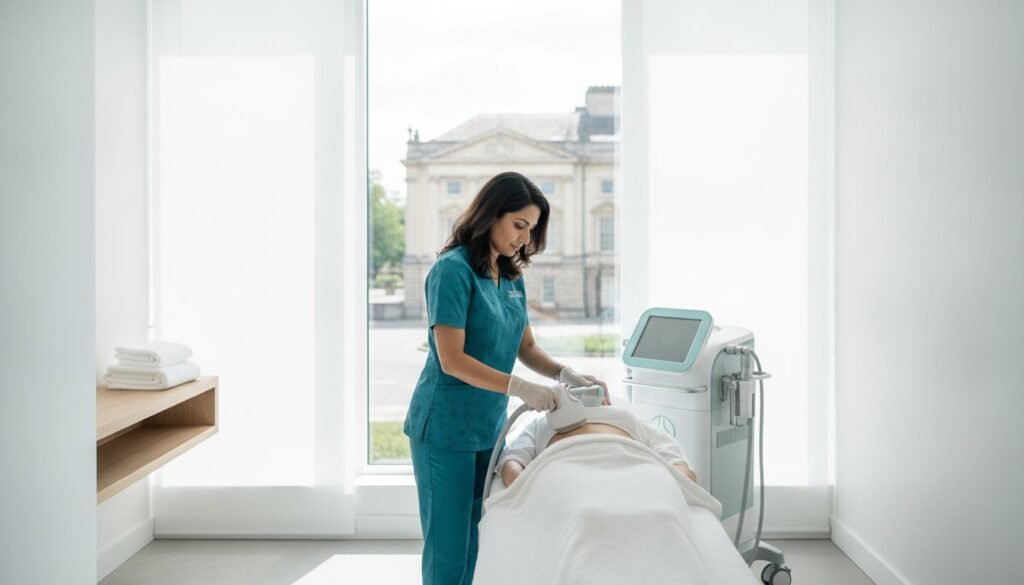
Non Surgical Body Contouring is becoming an increasingly popular option for people who want to improve their body shape without undergoing invasive surgery. Modern aesthetic treatments can help target stubborn fat, improve the appearance of selected body areas, and support a more defined silhouette with minimal downtime, depending on the treatment chosen.
At DrShays.com, patients can explore aesthetic and body management options designed around their individual goals. Understanding the available methods, their benefits, and the recovery process is an important first step toward making an informed decision about your body contouring journey.
In this guide, we explore how non-surgical body contouring works, the most common treatment methods, who may benefit, and what to expect before and after treatment.
What Is Non Surgical Body Contouring?
Non Surgical Body Contouring refers to non-invasive or minimally invasive aesthetic procedures designed to change the appearance of specific body areas without traditional surgical fat-removal procedures.
Depending on the technology used, these treatments may target fat cells, stimulate muscle contractions, or improve skin firmness. Common treatment areas include the abdomen, waist, thighs, upper arms, back, and flanks.
Unlike surgical procedures, most non-surgical treatments do not require general anaesthesia or extensive recovery. However, results vary according to the treatment method, the area being treated, and individual health factors.
It is important to understand that body contouring is not a weight-loss solution. It is generally intended for people who are close to their desired weight but want to address particular areas that remain resistant to diet and exercise.
Benefits of Non Surgical Body Contouring
Choosing Non Surgical Body Contouring offers several potential advantages for suitable candidates.
1. No Major Surgery
These treatments generally avoid the incisions and surgical procedures associated with traditional body contouring operations. This may make them an attractive option for people seeking cosmetic improvements without surgery.
2. Minimal Downtime
Many non-invasive procedures allow patients to return to their usual daily activities shortly after treatment. Some methods can cause temporary redness, swelling, tenderness, or bruising, so recovery depends on the specific technology used.
3. Targeted Treatment Areas
Body contouring can focus on selected areas rather than the entire body. Depending on the treatment, these may include the abdomen, waist, thighs, arms, or flanks.
4. Gradual, Natural-Looking Changes
Some treatments produce gradual results over several weeks or months as the body responds to the procedure. This may allow changes to develop progressively rather than appearing immediately.
5. Personalised Treatment Options
Different technologies address different concerns. A personalised consultation can help determine whether the primary goal is reducing localised fat, improving skin firmness, or enhancing muscle definition.
6. Support for Body Confidence
For suitable candidates, improvements in body contours may help them feel more comfortable with their appearance. Results are individual, and realistic expectations are essential when considering any aesthetic procedure.
Popular Methods of Non Surgical Body Contouring
Not all body contouring treatments work in the same way. Selecting the appropriate method depends on your goals, medical history, skin condition, and the area you wish to treat.
1. Cryolipolysis (Fat Freezing)
Cryolipolysis uses controlled cooling to target selected fat cells beneath the skin. The body gradually processes the affected cells over time.
This treatment is commonly used for localised fat pockets around areas such as the abdomen, flanks, and thighs.
Potential benefits:
- Targets selected areas of stubborn fat.
- Does not require surgical incisions.
- Results develop gradually.
- Often involves little interruption to daily activities.
What to expect: Some patients experience temporary redness, swelling, numbness, tenderness, or bruising. Rarely, a complication called paradoxical adipose hyperplasia causes the treated area to enlarge rather than shrink.
2. Radiofrequency Body Contouring
Radiofrequency treatments use controlled energy to heat tissue beneath the skin. Depending on the device, treatment may support improvements in skin firmness or the appearance of body contours.
Radiofrequency technology is not the same as every other fat-reduction treatment, and results depend on the specific device and treatment protocol.
Potential benefits:
- May improve the appearance of mild skin laxity.
- Can target selected body areas.
- Usually requires little downtime.
- May be suitable for patients concerned about skin texture and firmness.
What to expect: Temporary warmth, redness, or swelling may occur. A qualified practitioner should explain the risks associated with the particular device.
3. High-Intensity Focused Electromagnetic (HIFEM) Treatments
Certain electromagnetic devices stimulate repeated muscle contractions in targeted areas. Depending on the technology, they may be used to improve the appearance of muscle definition.
These treatments are different from fat-freezing procedures and should not be assumed to produce the same effects.
Potential benefits:
- Targets selected muscle groups.
- May support improvements in visible muscle definition.
- Generally requires little recovery time.
- Can complement an appropriate exercise and nutrition routine.
What to expect: Temporary muscle soreness or discomfort may occur. Suitability depends on the device, medical history, and any implanted electronic or metallic devices.
4. Ultrasound-Based Body Contouring
Certain ultrasound technologies deliver energy into targeted tissue to produce specific effects, including fat reduction with appropriate devices. Other ultrasound treatments have different purposes, so the technology must be selected carefully.
Potential benefits:
- Can target selected areas.
- May provide an alternative to surgical procedures for appropriate candidates.
- Usually involves limited downtime.
What to expect: Temporary tenderness, swelling, or discomfort may occur. Outcomes depend on the device and the individual’s response.
5. Treatments for Skin Firmness
Some non-surgical technologies focus primarily on improving the appearance of loose or mildly lax skin rather than removing significant amounts of fat.
The right approach depends on whether the main concern is localised fat, skin laxity, or both. A professional assessment can help clarify which concern should be addressed first.
Who Is a Good Candidate for Non Surgical Body Contouring?
Non Surgical Body Contouring may be suitable for adults who want to improve specific body areas without undergoing traditional cosmetic surgery.
Potential candidates often:
- Are close to their target weight.
- Have localised areas of fat that persist despite a healthy lifestyle.
- Want to improve the appearance of selected body contours.
- Understand that results are usually gradual and may be modest.
- Can follow the treatment provider’s instructions and aftercare recommendations.
These procedures are not appropriate for everyone. They are not designed to treat obesity or replace a healthy diet and regular physical activity.
People who are pregnant, have certain medical conditions, have impaired sensation or circulation, or have relevant implants may need to avoid particular treatments. A qualified healthcare professional should assess individual suitability before proceeding.
What to Expect During a Body Contouring Session
The treatment experience varies depending on the method selected, but the process commonly includes the following stages.
Step 1: Consultation and Assessment
The practitioner discusses your concerns, medical history, expectations, and preferred treatment areas. They assess whether a non-surgical approach is appropriate and explain the expected benefits and limitations.
Step 2: Personalised Treatment Plan
A treatment plan is developed according to your goals and the available technology. This may include one session or several sessions, depending on the procedure.
Step 3: Treatment Session
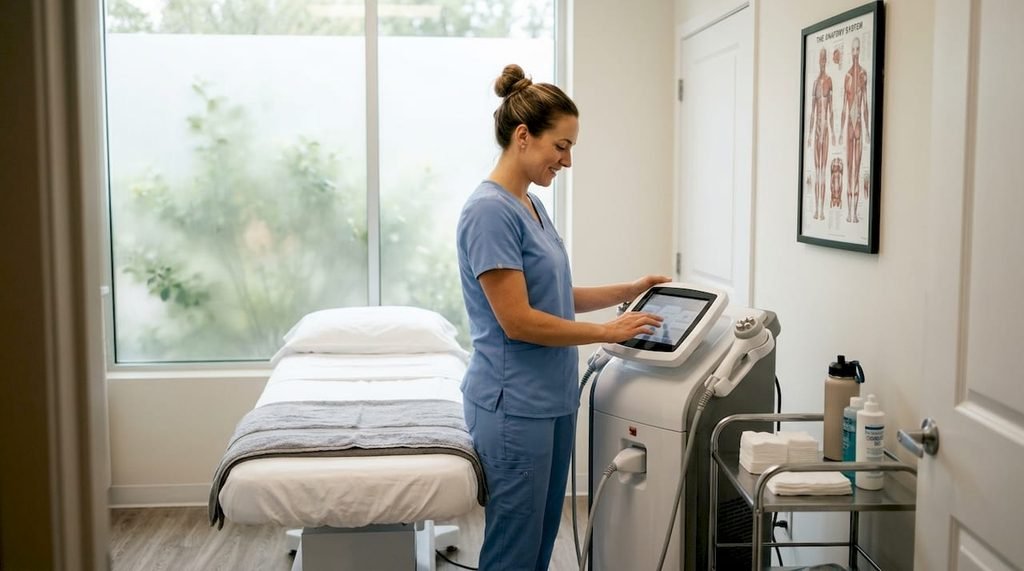
The treatment area is prepared, and the selected device is applied according to its clinical protocol. You may feel cooling, warmth, pressure, tingling, or muscle contractions, depending on the method.
Step 4: Aftercare Guidance
Your provider explains what to expect after the procedure, which activities to avoid if necessary, and when to return for follow-up.
Non Surgical Body Contouring Recovery: What to Expect
One of the main reasons people consider Non Surgical Body Contouring is the possibility of avoiding an extended surgical recovery. However, the recovery experience depends on the treatment used.
Immediately After Treatment
Some people return to normal activities on the same day. Temporary redness, swelling, tenderness, bruising, or numbness may occur. Follow your practitioner’s specific instructions rather than assuming that every treatment has the same recovery requirements.
During the First Few Days
Mild discomfort may develop after certain procedures. Avoid rubbing or applying unapproved products to the treated area, and follow any activity restrictions provided by your practitioner.
Contact your healthcare provider if symptoms are severe, worsening, or unexpected.
Over the Following Weeks
Results from fat-reduction procedures often develop gradually as the body processes affected cells. Skin-firming and muscle-definition treatments follow different timelines.
Your practitioner can advise when to assess progress and whether additional sessions are appropriate.
Maintaining Your Results
Maintaining a stable weight, eating a balanced diet, staying physically active, and following personalised aftercare recommendations may help support long-term body-shape goals.
Non-surgical body contouring does not prevent future weight gain, and results are not guaranteed to be permanent for every treatment.
Non Surgical Body Contouring vs. Surgical Body Contouring
Understanding the differences between surgical and non-surgical options can help you choose an approach that suits your needs.
| Feature | Non-Surgical Body Contouring | Surgical Body Contouring |
|---|---|---|
| Approach | Uses non-invasive or minimally invasive techniques | Involves a surgical procedure |
| Anaesthesia | Often not required, depending on treatment | May require local or general anaesthesia |
| Downtime | Usually limited, but varies | Generally involves a longer recovery |
| Results | Often gradual and more modest | May provide more substantial changes |
| Best suited for | Selected concerns and appropriate candidates | People seeking changes that may require surgery |
| Risks | Device-specific side effects and complications | Surgical and anaesthesia-related risks, among others |
Neither option is automatically best for everyone. The most appropriate choice depends on the desired outcome, medical suitability, and professional assessment.
Why Choose DrShays for Your Aesthetic Journey?
Choosing an aesthetic provider involves more than selecting a treatment. It is important to understand the available options, their limitations, and whether they are suitable for your individual needs.
At DrShays.com, you can explore the clinic’s aesthetic and wellness services and learn more about the available treatment options.
When considering body contouring, look for a provider who:
- Reviews your medical history and assesses your suitability.
- Explains the expected results and realistic limitations.
- Discusses possible side effects and alternative treatments.
- Uses appropriate equipment and follows established safety protocols.
- Provides clear aftercare instructions and follow-up guidance.
Before booking, confirm which body contouring technologies are currently offered and whether they are suitable for your goals.
Meet Dr. Shayasta Mufti
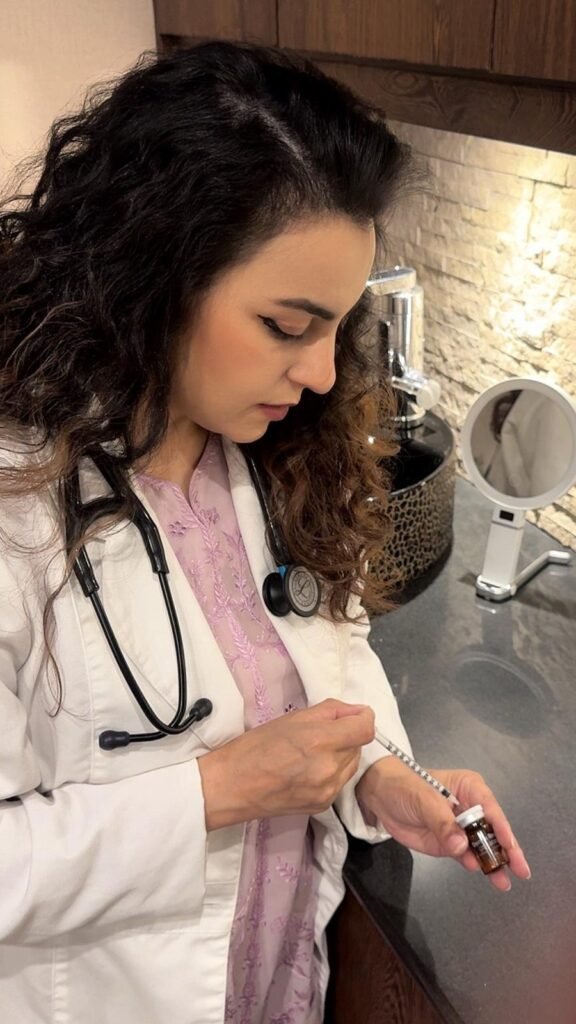
Dr. Shayasta Mufti is the doctor to learn more about when exploring the aesthetic and wellness approach presented by DrShays. Understanding your treatment goals and receiving appropriate professional guidance are important parts of making informed decisions about cosmetic procedures.
Every patient has different concerns, body characteristics, and expectations. A personalised consultation can help determine whether Non Surgical Body Contouring is appropriate or whether another treatment or approach may better suit your needs.
During your consultation, consider discussing:
- Your primary concern, such as stubborn fat, skin laxity, or muscle definition.
- Which non-surgical treatments may be appropriate for your body.
- The likely number of sessions and expected timeline for results.
- Potential risks, side effects, and recovery requirements.
- How to maintain results through healthy lifestyle habits.
To learn more about Dr. Shayasta Mufti and the services available, visit DrShays.com.
Note: Confirm the doctor’s current professional title, qualifications, clinical experience, and exact role at the clinic before publishing additional biographical claims.
Frequently Asked Questions About Non Surgical Body Contouring
1. Does Non Surgical Body Contouring Really Work?
It can help improve selected body contours in appropriately chosen patients. Effectiveness depends on the treatment technology, the concern being addressed, and individual factors. Results vary, and no treatment can guarantee a specific outcome.
2. How Many Sessions Are Needed?
The number of sessions depends on the procedure, treatment area, and desired result. Some treatments may require multiple sessions, while others are designed to produce results after a single session. Your provider can recommend a suitable schedule.
3. Is Non Surgical Body Contouring Painful?
Most treatments are designed to be tolerable without general anaesthesia. Sensations may include cooling, warmth, pressure, tingling, or muscle contractions. Discomfort varies by procedure and individual sensitivity.
4. How Long Does It Take to See Results?
Some treatments produce gradual changes over several weeks or months. The timeline depends on the technology and the body’s response. Immediate visible changes should not be expected from every procedure.
5. Is Body Contouring a Weight-Loss Treatment?
No. Non-surgical body contouring is primarily intended to address selected aesthetic concerns, such as localised fat or skin firmness. It is not a substitute for obesity treatment, healthy nutrition, or regular exercise.
6. Are the Results Permanent?
Some fat-reduction treatments permanently affect targeted fat cells, but remaining fat cells can still enlarge with weight gain. Other treatments may require maintenance. Long-term results depend on the procedure and individual circumstances.
7. Is There Any Downtime After Treatment?
Many non-invasive treatments involve little downtime, but some cause temporary swelling, tenderness, bruising, or other side effects. Follow the recovery guidance provided for the specific procedure.
8. How Can I Choose the Right Body Contouring Treatment?
Start with a professional consultation. Your provider should assess your health, body composition, skin condition, treatment goals, and expectations before recommending a procedure.
Take the Next Step Towards Your Body Contouring Goals
Non Surgical Body Contouring offers several options for people who want to address selected areas of stubborn fat, improve the appearance of body contours, or explore skin-firming treatments without traditional surgery.
The best approach starts with understanding your goals, learning about the available technologies, and choosing a treatment that is appropriate for your individual needs.
Visit DrShays.com to explore available services and enquire about your options. A personalised consultation can help you understand the potential benefits, limitations, risks, and recovery expectations before making a decision.
Medical disclaimer: This article is for general educational purposes only and does not replace professional medical advice, diagnosis, or treatment. Results and risks vary by procedure and individual. Consult a qualified healthcare professional before undergoing any body contouring treatment.