
Healthy, glowing skin starts with the right skincare routine. However, factors such as pollution, sun exposure, excess oil, dehydration, and dead skin cell buildup can leave the skin looking dull and uneven. A professional facial treatment can help refresh the skin and improve its overall appearance. One popular option is HydraFacial, a treatment designed to cleanse, exfoliate, extract impurities, and hydrate the skin.
Understanding the HydraFacial benefits for skin can help you decide whether this treatment is suitable for your skincare goals. In this guide, we explore how HydraFacial works, its potential benefits, the treatment procedure, expected results, and essential aftercare tips.
For information about skincare and aesthetic treatments, visit DrShays.com and contact the clinic to confirm current HydraFacial services and appointment availability.
What Is a HydraFacial?
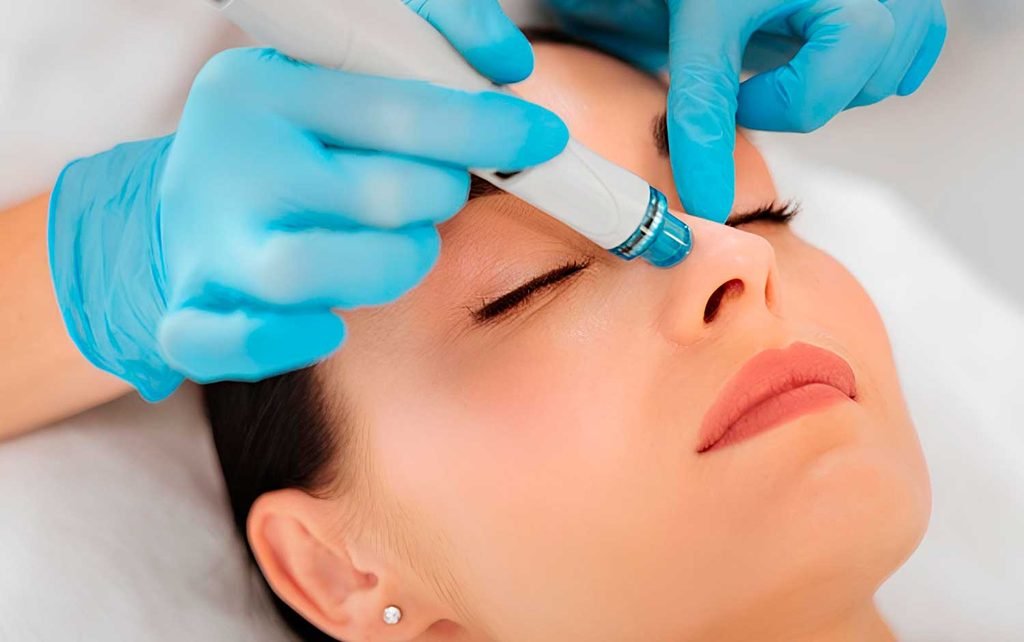
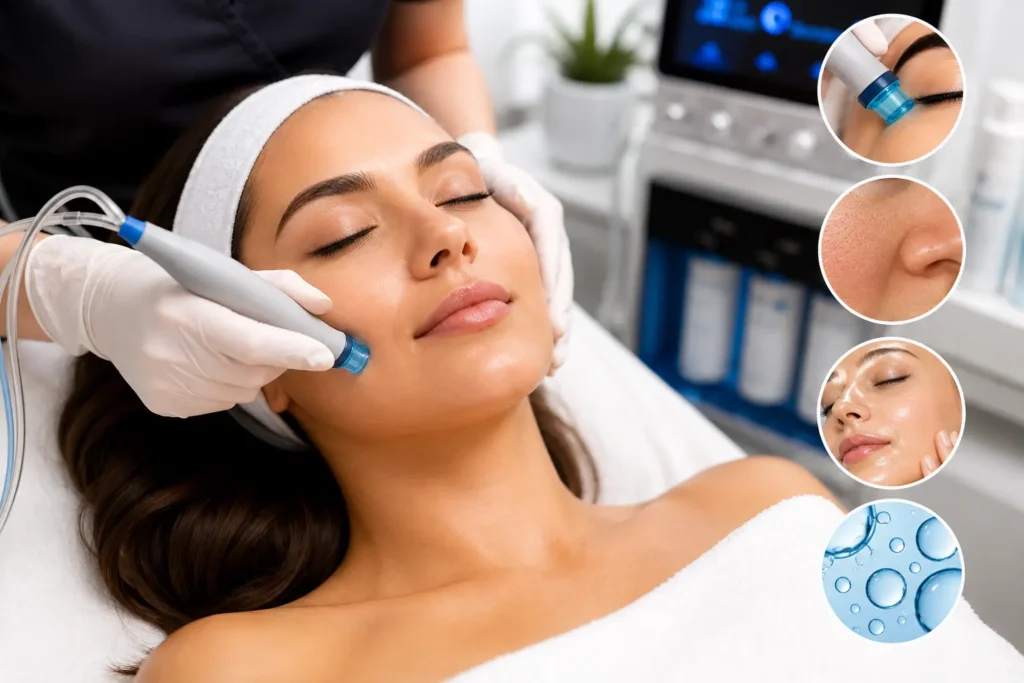
HydraFacial is a non-invasive facial treatment that combines cleansing, exfoliation, extraction, and hydration in a structured skincare procedure. It uses a specialised device to help remove surface impurities while delivering hydrating skincare solutions to the skin.
Unlike some traditional facials that rely heavily on manual extraction, HydraFacial typically uses a device-assisted process. The treatment can be customised according to an individual’s skin type, concerns, and skincare goals.
HydraFacial may be considered by people who want to improve the appearance of dullness, uneven texture, congested pores, and dehydration. However, results vary depending on the person’s skin condition, the treatment protocol, and their ongoing skincare routine.
HydraFacial Benefits for Skin
HydraFacial offers several potential benefits for people looking to improve the appearance and feel of their skin.
1. Deep Cleansing and Exfoliation
One of the main HydraFacial benefits for skin is its cleansing and exfoliating action. The treatment helps remove surface dirt, excess oil, and dead skin cells that can contribute to a dull complexion.
Gentle exfoliation can make the skin feel smoother and help skincare products spread more evenly. The strength and suitability of exfoliation should be adjusted according to individual skin sensitivity.
2. Improved Skin Hydration
Dehydrated skin may appear rough, tired, or less radiant. HydraFacial incorporates hydrating solutions designed to support the skin’s moisture levels.
After treatment, many people notice that their skin feels softer and looks more refreshed. Maintaining hydration at home with a suitable moisturiser and daily sunscreen can help support the skin’s appearance between treatments.
3. Cleaner-Looking Pores
Oil, dead skin cells, and other impurities can accumulate inside pores, making them more noticeable. HydraFacial uses device-assisted extraction to help remove some of this buildup.
This may improve the appearance of congested pores and leave the skin feeling cleaner. However, pores cannot be permanently closed or eliminated, and results depend on the individual’s skin.
4. A Brighter, More Radiant Complexion
Dead skin cell buildup and dehydration can make the complexion look uneven or lacklustre. By cleansing, exfoliating, and hydrating the skin, HydraFacial may help create a fresher and more radiant appearance.
The visible glow some people experience after treatment may be temporary. Consistent skincare, sun protection, and appropriate professional treatments can help maintain healthier-looking skin over time.
5. Smoother Skin Texture
Roughness and uneven surface texture can affect how the skin looks and feels. HydraFacial’s exfoliation process may help smooth the skin’s surface and improve its overall appearance.
The treatment may be suitable for people seeking a refreshed complexion without significant downtime. It is not, however, a replacement for specialised treatments for deeper acne scars or pronounced skin texture concerns.
6. Support for Oily and Congested Skin
People with oily skin may experience excess shine and clogged pores. HydraFacial can help remove surface oil and impurities, making the skin feel cleaner.
The treatment may support an overall skincare routine, but it does not permanently reduce oil production or replace medical acne treatment. Individuals with active, inflamed acne should consult a qualified professional before treatment.
7. Minimal Downtime for Many People
HydraFacial is generally considered a low-downtime treatment. Many people return to their normal daily activities shortly afterward.
Some individuals may experience temporary redness, tightness, sensitivity, or irritation. The likelihood of these effects depends on skin sensitivity, the treatment settings, and the products used.
How Does the HydraFacial Procedure Work?
The exact procedure can vary depending on the provider and the treatment selected. A typical session may include the following stages.
Step 1: Skin Assessment
The provider reviews your skin type, concerns, medical history, allergies, and current skincare products. This helps determine whether HydraFacial is appropriate and whether any adjustments are needed.
Step 2: Cleansing
The skin is cleansed to remove makeup, surface dirt, and excess oil. This prepares the skin for the next stages of treatment.
Step 3: Exfoliation
A device-assisted exfoliation process helps remove dead skin cells from the skin’s surface. The procedure should be adjusted to avoid unnecessary irritation, especially for sensitive skin.
Step 4: Extraction
The device helps loosen and remove some impurities from congested pores. This stage may be useful for people concerned about surface buildup and blackheads.
Step 5: Hydration
Hydrating skincare solutions are applied to support skin moisture and improve the appearance of the complexion. Additional serums or treatment options may be included depending on the protocol and individual suitability.
Step 6: Finishing Skincare
The treatment may finish with a suitable moisturiser and broad-spectrum sunscreen. Your provider can also explain which products to use and which ingredients to temporarily avoid after the session.
What Results Can You Expect from HydraFacial?
Many people notice softer skin and a refreshed glow shortly after a HydraFacial session. The skin may look smoother and more hydrated, although individual results differ.
The outcome depends on several factors, including:
- Your skin type and existing skin concerns.
- The treatment settings and products used.
- Your regular skincare routine.
- Sun exposure and lifestyle habits.
- Whether additional treatments are needed for specific concerns.
HydraFacial may improve the appearance of dullness, mild congestion, and dehydration, but it cannot guarantee permanent results. It is also not designed to treat every skin condition, including deep acne scars, severe acne, or significant pigmentation disorders.
A qualified skincare professional can help you decide whether HydraFacial alone is suitable or whether another treatment would better address your goals.
How Often Should You Get a HydraFacial?
The ideal frequency depends on your skin type, concerns, treatment intensity, and response to previous sessions. Some people choose occasional treatments before an event, while others discuss a regular schedule with their skincare provider.
There is no single schedule that is right for everyone. Having treatments too frequently or using overly aggressive settings may irritate the skin.
Before arranging repeat sessions, ask your provider how often treatment is appropriate for your skin and whether you need to adjust your home skincare routine.
HydraFacial Aftercare: How to Maintain Your Results
Following suitable aftercare can help reduce irritation and support your skin’s appearance after treatment.
1. Apply Sunscreen Daily
Use a broad-spectrum sunscreen with SPF 30 or higher and reapply as directed, particularly when spending time outdoors. Sun protection is important after exfoliating treatments because skin may be temporarily more sensitive.
2. Keep Your Skincare Routine Gentle
For the first day or two, or for the period recommended by your provider, use a gentle cleanser and moisturiser. Avoid harsh scrubs and unnecessary exfoliation while the skin settles.
3. Avoid Strong Active Ingredients Temporarily
Ask your provider when to resume retinoids, exfoliating acids, benzoyl peroxide, or other potentially irritating products. The appropriate waiting period depends on your skin and the treatment performed.
4. Avoid Excessive Heat if Your Skin Is Sensitive
If you experience redness or sensitivity, consider avoiding saunas, very hot showers, and intense heat exposure until your skin feels comfortable again, following your provider’s instructions.
5. Stay Hydrated and Maintain a Consistent Routine
Drink water regularly and use skincare products suitable for your skin type. A consistent routine can help support the appearance of your skin between professional treatments.
6. Monitor Your Skin
Mild, temporary redness may occur. Contact your treatment provider if irritation persists or worsens. Seek prompt medical advice if you experience significant swelling, blistering, severe pain, or other unexpected reactions.
Who Is a Suitable Candidate for HydraFacial?
HydraFacial may suit adults who want to refresh their complexion, improve hydration, and address mild congestion or surface roughness.
However, the treatment is not appropriate for everyone. Before booking, discuss the procedure with a qualified provider if you have:
- Active skin infections, open wounds, or significant skin irritation.
- A condition that makes your skin unusually sensitive.
- Known allergies to ingredients that may be used during treatment.
- A current acne flare or another skin condition requiring medical care.
- Recent cosmetic procedures that may affect treatment timing.
If you have a skin condition or are unsure whether the treatment is suitable, seek professional advice before proceeding.
HydraFacial vs. a Traditional Facial
Both HydraFacial and traditional facials can be part of a skincare routine, but the methods may differ.
A traditional facial often includes manual cleansing, exfoliation, massage, masks, and extraction. HydraFacial typically uses a specialised device to combine cleansing, exfoliation, extraction, and hydration.
Neither option is automatically better for everyone. The right choice depends on your skin type, treatment goals, sensitivities, and the experience of your provider.
Why Choose Professional Skincare Guidance at DrShays.com?
Choosing a treatment should begin with an understanding of your skin rather than following a trend. A professional assessment can help identify your main concerns, review your current skincare routine, and determine whether a particular facial treatment is suitable.
DrShays.com is a resource for exploring aesthetic and skincare-related services. If you are considering HydraFacial, contact the clinic directly to confirm whether the treatment is currently available, discuss the treatment protocol, and ask about suitability, pricing, and appointment options.
Before booking, consider asking:
- Which steps and products are included in the treatment?
- Is the procedure suitable for my skin type?
- What results are realistic for my concerns?
- What aftercare should I follow?
- Are there any reasons I should postpone treatment?
These questions can help you make a more informed decision and set realistic expectations.
Frequently Asked Questions About HydraFacial
1. What are the main HydraFacial benefits for skin?
The main potential benefits include cleansing, gentle exfoliation, improved hydration, removal of some pore impurities, smoother-looking texture, and a brighter complexion. Results vary from person to person.
2. How long does a HydraFacial session take?
A typical session often takes around 30 to 60 minutes, depending on the treatment plan and any additional steps. Confirm the expected duration with your provider before booking.
3. Can HydraFacial help with acne?
HydraFacial may help remove surface oil and some pore congestion, but it is not a standalone treatment for all types of acne. People with active or inflamed acne should consult a qualified professional to determine the most appropriate approach.
4. Is HydraFacial suitable for sensitive skin?
Some people with sensitive skin may be suitable candidates, but treatment settings and products must be selected carefully. Tell your provider about any sensitivity, allergies, or previous reactions before treatment.
5. Is there downtime after HydraFacial?
Many people return to their usual activities immediately. Temporary redness, tightness, or sensitivity can occur, so follow your provider’s aftercare instructions.
6. How soon will I see HydraFacial results?
Some people notice a refreshed, hydrated appearance immediately or within a short time after treatment. The degree and duration of visible improvement vary depending on the individual’s skin and skincare habits.
7. Can I wear makeup after HydraFacial?
Ask your provider when it is appropriate to apply makeup. Depending on your skin’s response and the products used, they may recommend allowing the skin to settle before applying cosmetics.
8. How can I maintain my HydraFacial results?
Use a gentle cleanser, moisturiser, and daily broad-spectrum sunscreen. Follow a consistent skincare routine and ask your provider whether repeat treatments are suitable for your needs.
Meet Dr. Shayasta Mufti at DrShays.com

Choosing the right skincare treatment starts with understanding your skin’s individual needs. Dr. Shayasta Mufti is the featured doctor at DrShays.com, where patients can explore aesthetic and skincare-related services and seek guidance about suitable treatment options.
If you are considering HydraFacial, a consultation can help you understand the potential benefits, discuss your skin concerns, and learn whether the treatment is appropriate for your skin type. You can also ask about expected results, possible side effects, and the aftercare needed to maintain your skin’s appearance.
Before booking, contact the clinic to confirm HydraFacial availability, consultation arrangements, and appointment details.
Ready to take the next step in your skincare journey? Visit DrShays.com to learn more about Dr. Shayasta Mufti and explore the clinic’s available services.
Final Thoughts
Understanding the HydraFacial benefits for skin can help you decide whether this treatment fits your skincare goals. By combining cleansing, exfoliation, extraction, and hydration, HydraFacial may improve the appearance of dullness, mild congestion, and dehydration while leaving the skin feeling smoother and refreshed.
Results are not identical for everyone, and the treatment may not address deeper or medical skin concerns. A professional assessment, appropriate aftercare, and consistent sun protection are important parts of a sensible skincare plan.
Visit DrShays.com to explore the clinic’s skincare and aesthetic information, and contact the clinic to confirm current HydraFacial availability and discuss your individual needs before booking.