
Healthy-looking skin often starts with a consistent skincare routine, but professional treatments can provide additional support when your skin needs deeper cleansing, hydration, and rejuvenation. One treatment that has gained attention for its combination of cleansing, exfoliation, extraction, and hydration is Hydrafacial Treatment.
Unlike a basic facial, a professional Hydrafacial Treatment uses specialized equipment and a structured treatment process designed to address multiple skin concerns in one session. Depending on your skin type and goals, the treatment can be customized to focus on hydration, congestion, texture, dullness, and overall skin appearance.
If you are considering a professional skincare treatment, understanding the Hydrafacial Benefits, treatment process, and what to expect can help you make a more informed decision.
Medical disclaimer: This article is for general educational purposes and does not replace professional medical or dermatological advice. Treatment suitability can vary depending on your skin type, health history, medications, and individual concerns. A qualified skincare professional should assess your skin before treatment.
What Is Hydrafacial Treatment?
Hydrafacial Treatment is a professional facial treatment that combines several skincare steps into one procedure. The treatment generally involves cleansing and exfoliation, extraction of impurities, and hydration using specialized equipment and skincare solutions.
The procedure is designed to provide a refreshed appearance while supporting the skin’s hydration and overall texture.
One of the reasons people consider Hydrafacial Treatment is its versatility. A professional can assess the skin and adjust the treatment according to individual concerns and goals.
Depending on the treatment plan, it may be considered for concerns such as:
- Dull-looking skin
- Dehydrated skin
- Uneven skin texture
- Congested pores
- Excess surface oil
- Rough skin
- Visible signs of environmental stress
- General skin maintenance
What Are the Main Hydrafacial Benefits?
The specific results of a Hydrafacial can vary from person to person. However, several potential Hydrafacial Benefits make the treatment a popular choice for professional skincare.
1. Deep Cleansing
Everyday exposure to environmental pollutants, makeup, excess oil, and other impurities can leave the skin looking dull or congested.
A professional Hydrafacial Treatment incorporates cleansing as part of the treatment process, helping remove surface impurities and prepare the skin for subsequent steps.
Clean skin can also provide a smoother base for skincare products.
2. Gentle Exfoliation
Exfoliation helps remove dead skin cells from the skin’s surface.
The treatment uses a controlled professional process to exfoliate the outer layer of the skin. This can help improve the appearance of rough or uneven texture and leave the skin feeling smoother.
Professional exfoliation should be selected according to the individual’s skin condition and sensitivity.
3. Helps Remove Pore Congestion
Another potential benefit is the extraction step.
Specialized equipment can help loosen and remove impurities from congested pores. This can be particularly useful for individuals who experience visible congestion or excess oil.
A professional approach is important because aggressive or inappropriate extraction can irritate the skin.
4. Supports Skin Hydration
Hydration is an important part of maintaining healthy-looking skin.
Hydrafacial treatments incorporate hydrating skincare solutions as part of the procedure. This can leave the skin feeling softer and looking more refreshed.
People with dehydrated or dull-looking skin may particularly appreciate this aspect of the treatment.
5. Improves the Appearance of Skin Texture
Uneven texture can make the skin look less smooth and radiant.
By combining cleansing, exfoliation, extraction, and hydration, Hydrafacial Treatment may help create a smoother-looking complexion.
Results vary depending on factors such as skin condition, age, skincare habits, and treatment frequency.
6. Can Give Skin a Refreshed Appearance
One of the reasons people choose professional facial treatments is to achieve a more refreshed appearance.
After treatment, the skin may appear cleaner, hydrated, and more radiant. This can make Hydrafacial Treatment appealing before certain events or as part of an ongoing skincare routine.
7. Can Be Customized to Individual Skin Needs
Not every person’s skin has the same requirements.
A professional can assess your skin and determine which treatment approach and skincare products are appropriate for your concerns.
Customization may be particularly useful when someone has multiple concerns, such as dehydration combined with congestion or uneven texture.
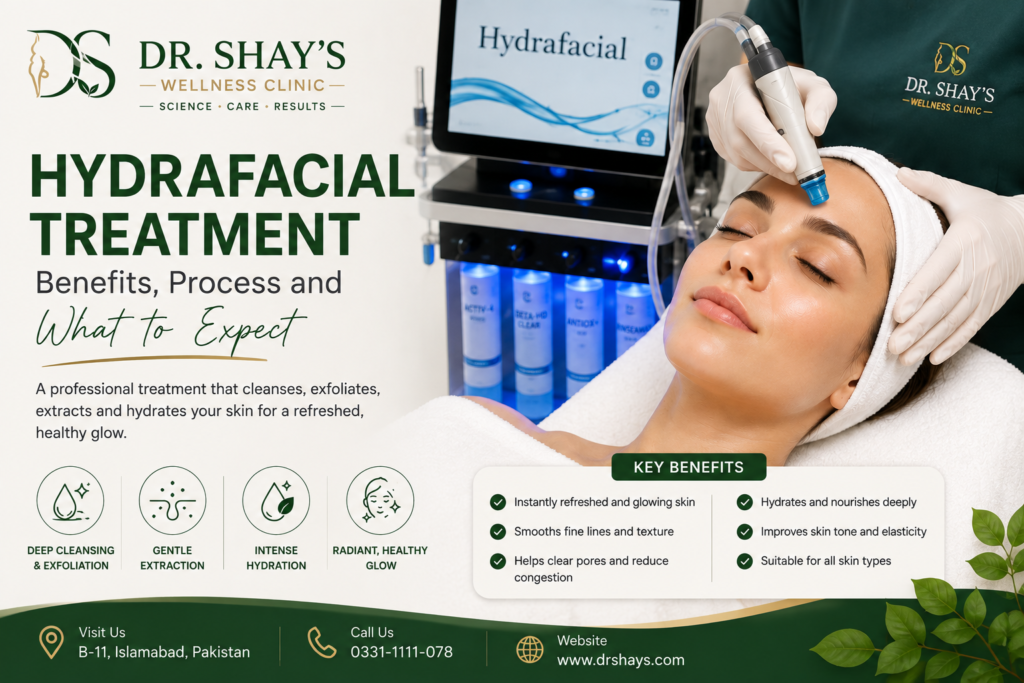
How Does Hydrafacial Treatment Work?
The exact procedure can vary depending on the clinic, equipment, and individual’s treatment plan. However, a typical professional Hydrafacial Treatment involves several key stages.
Step 1: Skin Assessment
Before treatment begins, the skincare professional should assess your skin and discuss your concerns.
This can help determine whether the treatment is suitable and which approach is most appropriate.
You may be asked about:
- Your current skincare routine
- Skin sensitivity
- Previous treatments
- Current skin concerns
- Relevant medical history
- Products or medications you use
This initial assessment is an important part of personalized skincare.
Step 2: Cleansing
The skin is cleansed to remove surface impurities, makeup, oil, and other residues.
This prepares the skin for the following treatment stages.
Step 3: Exfoliation
The next stage involves professional exfoliation to help remove dead skin cells from the surface.
The intensity and approach should be appropriate for the individual’s skin.
Step 4: Extraction
The treatment may then focus on removing impurities from pores using specialized equipment.
Unlike manual extraction, the device-based process is designed to provide controlled suction while treating the skin.
Step 5: Hydration
Hydrating solutions are applied during the treatment to support the skin’s moisture and refreshed appearance.
Depending on the individual’s needs, the skincare professional may select products intended to support hydration and overall skin quality.
Step 6: Finishing Skincare
The final stage may involve applying suitable skincare products to support the skin following treatment.
Your skincare professional may also recommend appropriate products or routines for maintaining your results.
What to Expect During a Hydrafacial Treatment
If you have never experienced a professional Hydrafacial, knowing what happens during the appointment can make the process more comfortable.
A typical appointment begins with a consultation or skin assessment. Your provider will discuss your concerns and determine whether the treatment is suitable for you.
During the procedure, specialized equipment is used to cleanse, exfoliate, extract, and hydrate the skin.
Many people describe the procedure as a comfortable skincare experience, although individual sensations can vary.
You may notice the device moving across different areas of the face as each stage is performed.
Your provider should explain the treatment and let you know what to expect throughout the appointment.
Is Hydrafacial Treatment Suitable for Everyone?
Hydrafacial Treatment may be suitable for many people, but professional assessment is still important.
Your provider should consider your skin condition and health history before treatment.
You should inform your skincare professional about:
- Active skin conditions
- Skin sensitivity
- Recent cosmetic procedures
- Current medications
- Allergies
- Recent sun exposure
- Any irritation or inflammation
- Other relevant medical concerns
If your skin is currently irritated, inflamed, injured, or experiencing certain active conditions, your provider may recommend postponing treatment.
How Long Does a Hydrafacial Treatment Take?
The duration can vary depending on the treatment plan, equipment, and additional steps included during your appointment.
A professional consultation can give you a more accurate estimate based on the specific treatment selected for your skin.
It is helpful to allow enough time for both the skin assessment and treatment rather than treating the appointment as a rushed procedure.
What Does Your Skin Look Like After Treatment?
Many people choose Hydrafacial Treatment because it can provide a refreshed appearance without requiring extensive interruption to their normal routine.
Immediately following treatment, the skin may appear:
- Hydrated
- Smoother
- Fresher
- More radiant
- Cleaner
Individual responses vary, and temporary redness or sensitivity may occur in some people.
Your skincare professional can explain what is normal for your skin and provide appropriate aftercare instructions.
Hydrafacial Aftercare
Taking care of your skin after treatment can help support the results and maintain skin comfort.
Your provider may recommend:
Follow Your Professional’s Instructions
Aftercare should be based on your individual skin and the specific treatment performed.
Keep Your Skincare Routine Gentle
Avoid introducing multiple new or potentially irritating products immediately after treatment unless your professional recommends them.
Protect Your Skin From Sun Exposure
Sun protection is an important part of maintaining healthy skin. Follow your provider’s recommendations regarding sunscreen and sun exposure after treatment.
Stay Consistent With Skincare
A professional treatment works best as part of an overall skincare routine. Cleansing, moisturizing, and appropriate sun protection can help support healthy-looking skin between appointments.
How Often Should You Have Hydrafacial Treatment?
There is no universal schedule that works for everyone.
The ideal frequency depends on:
- Skin type
- Skin concerns
- Treatment goals
- Current skincare routine
- Professional recommendations
- How your skin responds to treatment
Some people may choose occasional treatments for skin maintenance, while others may follow a personalized treatment schedule recommended by their skincare professional.
Rather than following a fixed schedule from someone else’s routine, discuss your needs with a qualified professional.
Hydrafacial Treatment for Different Skin Concerns
One of the advantages of professional facial treatments is that they can be tailored to different skin needs.
For Dull-Looking Skin
Cleansing, exfoliation, and hydration may help improve the appearance of dull skin and create a fresher-looking complexion.
For Dehydrated Skin
Hydrating components can help support the appearance and feel of dry or dehydrated skin.
The cleansing and extraction stages may be useful for individuals concerned about visible pore congestion.
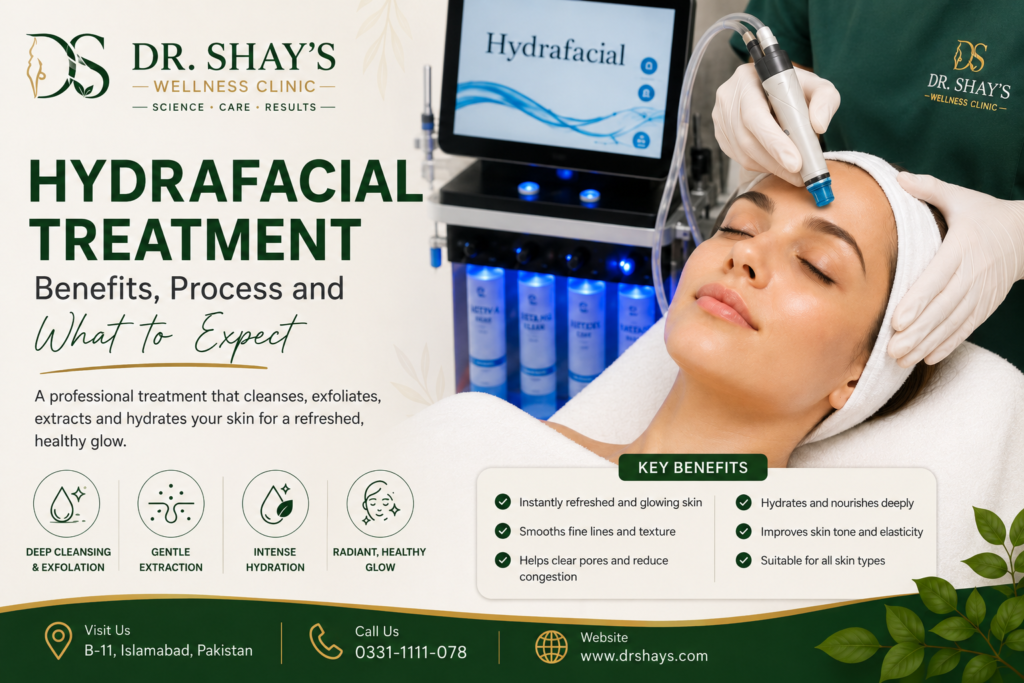
For Congested Skin
For Uneven Texture
Exfoliation can help remove dead surface cells and support a smoother-looking complexion.
For General Skin Maintenance
Some people use professional facial treatments as part of an ongoing skincare routine focused on maintaining healthy-looking skin.
How Hydrafacial Compares With a Traditional Facial
A traditional facial can include cleansing, steaming, exfoliation, masks, massage, and other skincare steps depending on the provider.
Hydrafacial Treatment differs because it uses specialized equipment to combine several stages of the treatment into a structured procedure.
The most appropriate option depends on your skin condition and goals.
A professional assessment can help determine which treatment is suitable rather than choosing solely based on popularity.
Why Professional Treatment Matters
Professional skincare treatments should be performed by appropriately trained providers using suitable equipment and products.
Professional care allows the treatment to be adjusted based on your skin condition rather than using the same approach for everyone.
A qualified provider can also identify situations where a treatment should be postponed or avoided.
This is particularly important for people with sensitive skin, active skin concerns, or recent cosmetic procedures.
How to Prepare for Your Hydrafacial Appointment
Preparation requirements can vary depending on your skin and treatment plan.
Before your appointment, tell your provider about any relevant skincare products, medications, recent procedures, or skin concerns.
You may also be advised to avoid certain products or treatments for a period before your appointment.
Your provider should give you specific preparation instructions based on your individual situation.
Choosing a Hydrafacial Provider
When selecting a clinic for Hydrafacial Treatment, consider more than the treatment name itself.
Look for:
Qualified Professionals
Choose a provider with appropriate training and experience in professional skincare treatments.
Personalized Assessment
Your provider should assess your skin before recommending treatment.
Appropriate Equipment
Ask whether the clinic uses professional equipment and follows appropriate hygiene and safety practices.
Clear Treatment Information
A reputable provider should explain the procedure, expected results, limitations, and aftercare.
Individualized Recommendations
Your treatment should be selected according to your skin and goals rather than being treated as a standard procedure for everyone.
What Results Can You Expect From Hydrafacial Treatment?
The results of Hydrafacial Treatment vary from person to person.
Some individuals may notice improvements in the appearance of hydration, smoothness, and radiance after treatment. However, professional skincare treatments should not be viewed as a guaranteed solution for every skin concern.
Factors that can influence results include:
- Skin type
- Age
- Existing skin concerns
- Skincare routine
- Lifestyle
- Treatment frequency
- Individual response
Your provider can discuss realistic expectations during your consultation.
Is Hydrafacial Treatment Part of a Complete Skincare Routine?
Yes. A professional treatment can complement a consistent skincare routine.
However, maintaining healthy-looking skin also involves everyday habits such as:
- Gentle cleansing
- Regular moisturizing
- Appropriate sun protection
- Using skincare products suited to your skin
- Staying consistent with professional recommendations
Professional treatments and daily skincare can work together as part of a broader approach to skin health.
Final Thoughts
Hydrafacial Treatment combines several professional skincare steps, including cleansing, exfoliation, extraction, and hydration. Its ability to address multiple aspects of skin appearance in one treatment is one reason it has become a popular option for people seeking professional skincare.
The potential Hydrafacial Benefits include a cleaner-looking complexion, improved hydration, smoother-looking texture, and a refreshed appearance. However, results vary, and treatment should always be selected according to your individual skin condition and goals.
If you are considering Hydrafacial Treatment, start with a professional skin assessment. A qualified provider can determine whether the treatment is appropriate for you, explain what to expect, and recommend an approach that fits your skincare needs.
Frequently Asked Questions
What is Hydrafacial Treatment?
Hydrafacial Treatment is a professional facial procedure that combines cleansing, exfoliation, extraction, and hydration using specialized equipment and skincare solutions.
What are the main Hydrafacial Benefits?
Potential Hydrafacial Benefits include improved-looking hydration, smoother skin texture, removal of surface impurities, support for cleaner-looking pores, and a refreshed complexion. Results vary between individuals.
Is Hydrafacial Treatment suitable for all skin types?
It may be suitable for many skin types, but suitability depends on your individual skin condition and health history. A professional assessment is recommended before treatment.
What happens during a Hydrafacial?
A typical treatment involves skin assessment, cleansing, exfoliation, extraction, hydration, and finishing skincare. The exact process can vary depending on the provider and treatment plan.
Can Hydrafacial help with dull-looking skin?
Hydrafacial Treatment can help improve the appearance of dull-looking skin through professional cleansing, exfoliation, and hydration. Individual results vary.
How often should I have a Hydrafacial?
Treatment frequency depends on your skin type, concerns, goals, and professional recommendations. There is no single schedule that is appropriate for everyone.
Is there any recovery period after a Hydrafacial?
Many people return to their normal activities after treatment, but individual skin responses can vary. Your provider can explain what to expect and give you personalized aftercare instructions.
Can I use my regular skincare products after treatment?
Your provider may recommend temporarily adjusting certain skincare products depending on your skin and the treatment performed. Follow the specific aftercare instructions provided by your skincare professional.