In today’s busy lifestyle, maintaining proper hydration and nutritional balance can sometimes be challenging. Factors such as diet, stress, physical activity, travel, and certain health conditions may affect an individual’s hydration and nutritional needs.
Vitamin Infusion Therapy, commonly referred to as IV therapy, has become an increasingly discussed wellness treatment. It involves administering fluids and specific nutrients directly into the bloodstream under appropriate professional supervision.
People explore IV therapy for different wellness goals, including hydration support and addressing specific nutritional needs. However, understanding the potential IV Therapy Benefits, limitations, and suitability of treatment is essential before considering any infusion.
This guide explores the Benefits of IV Vitamin Drips, how Vitamin Infusion Therapy works, and what you should know before choosing an IV wellness treatment.
Important Medical Disclaimer: This article is for educational purposes only and should not replace professional medical advice. IV therapy is not suitable for everyone and should be administered by qualified healthcare professionals after an appropriate assessment.
What Is IV Vitamin Therapy?
IV vitamin therapy is a form of Vitamin Infusion Therapy that delivers fluids, vitamins, minerals, or other prescribed ingredients directly into the bloodstream through an intravenous line.
Unlike oral supplements, which pass through the digestive system, IV administration delivers prescribed fluids and nutrients directly into circulation.
The specific ingredients used in an IV drip can vary depending on:
- Individual needs
- Medical history
- Hydration status
- Nutritional requirements
- Treatment goals
- Professional assessment
A qualified healthcare professional should determine whether IV therapy is appropriate and which formulation, if any, is suitable.
How Does Vitamin Infusion Therapy Work?
During Vitamin Infusion Therapy, a qualified healthcare professional inserts a small IV line into a vein. The prescribed fluid mixture is then administered gradually over a specific period.
The treatment process generally includes:
- Initial consultation or assessment
- Review of health history
- Discussion of treatment goals
- Selection of an appropriate infusion
- Administration by a qualified professional
- Monitoring during the session
The duration of an IV therapy session can vary depending on the type of infusion and individual circumstances.
Professional supervision is important to help ensure the treatment is administered appropriately.
Understanding IV Therapy Benefits
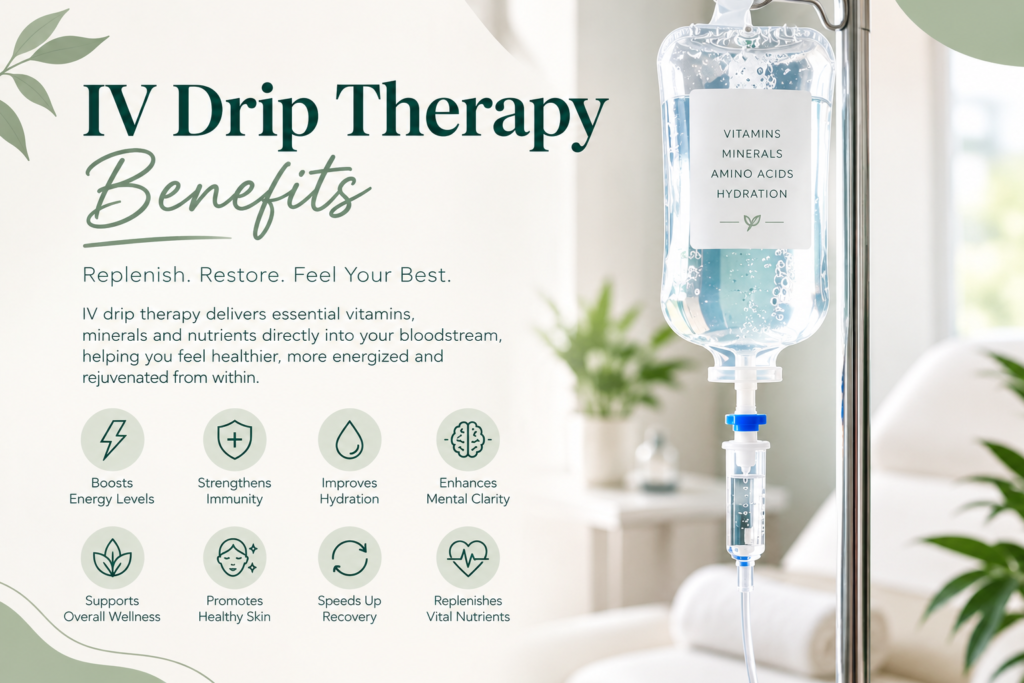
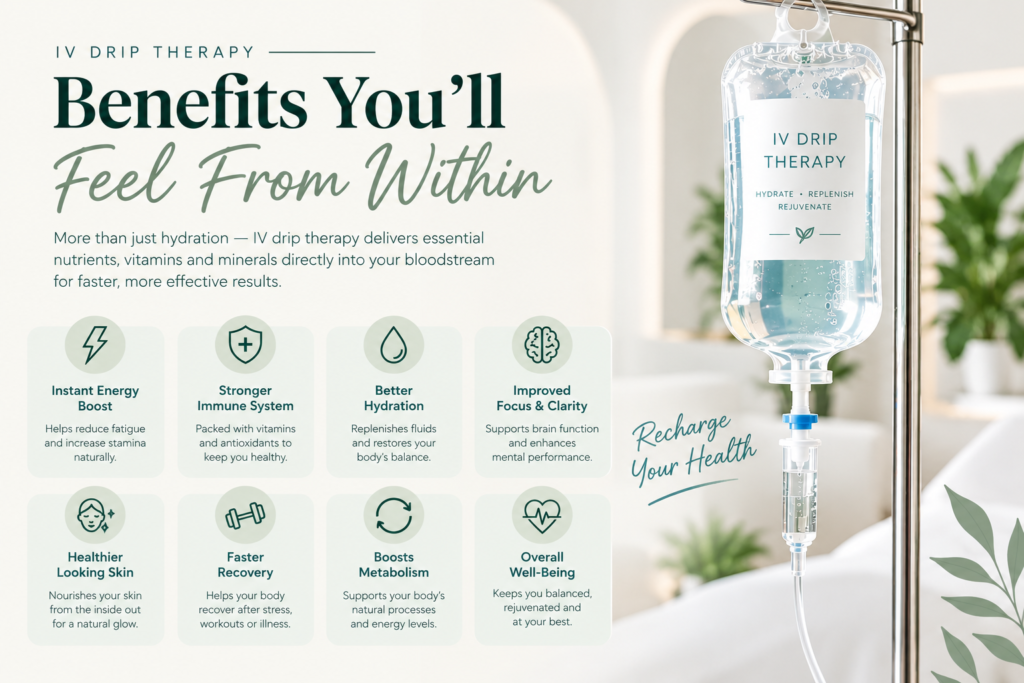
Interest in IV wellness treatments has increased because of the potential convenience of delivering fluids and specific nutrients intravenously.
However, IV Therapy Benefits can vary significantly depending on the individual, the reason for treatment, and the ingredients used.
It is important to avoid viewing IV drips as a universal solution for every health concern.
Potential areas of support may include the following.
1. Hydration Support
One of the most recognized uses of intravenous fluids is hydration support in appropriate clinical situations.
Hydration is important for many normal body functions, including:
- Temperature regulation
- Circulation
- Physical performance
- General wellbeing
For individuals who are unable to maintain adequate hydration orally or have specific medical needs, intravenous fluids may be considered under professional guidance.
The suitability of IV hydration depends on individual circumstances.
2. Direct Delivery of Prescribed Nutrients
One aspect of Vitamin Infusion Therapy is the direct administration of prescribed vitamins and minerals into circulation.
The specific nutrients included in an infusion should be based on an appropriate assessment rather than a one-size-fits-all approach.
Depending on the treatment plan, formulations may contain specific vitamins, minerals, electrolytes, or other ingredients.
Not everyone needs the same nutrients, which is why professional guidance is important.
3. Support for Specific Nutritional Needs
In certain medical circumstances, intravenous nutrient administration may be considered when oral intake is insufficient or when a healthcare professional identifies a specific clinical need.
However, IV therapy should not automatically be considered necessary for individuals who can maintain adequate nutrition and hydration through normal dietary intake.
A balanced diet remains an important foundation of overall health.
4. Convenient Professional Wellness Support
For some individuals, wellness-focused IV services may provide a structured setting where hydration and specific nutrient needs can be discussed with a healthcare professional.
A responsible provider should focus on:
- Individual assessment
- Patient safety
- Appropriate treatment selection
- Clear communication
- Realistic expectations
Wellness treatments should complement—not replace—healthy lifestyle habits.
Benefits of IV Vitamin Drips: What Should You Know?
The potential Benefits of IV Vitamin Drips depend heavily on the individual’s existing health and nutritional status.
A person with a documented deficiency or specific medical indication may have different needs compared with someone who is generally healthy.
Some IV formulations are marketed for goals such as:
- Hydration
- Wellness support
- Recovery support
- Nutritional supplementation
However, broad claims about dramatic improvements in energy, immunity, detoxification, or athletic performance should be approached carefully.
Scientific evidence and clinical need can vary depending on the specific ingredient and intended use.
The most appropriate approach is individualized assessment rather than choosing an IV drip based solely on marketing claims.
Common Types of Vitamin Infusion Therapy
Different clinics may offer different IV formulations.
The composition and intended purpose should always be explained clearly before treatment.
Hydration IV Therapy
Hydration-focused infusions typically involve fluids and may include electrolytes depending on individual needs.
These treatments may be considered in appropriate situations where professional assessment indicates a need.
Vitamin-Based Infusions
Some infusions contain selected vitamins.
The suitability of vitamin administration depends on factors such as:
- Dietary intake
- Medical history
- Existing deficiencies
- Current medications
A professional should determine whether supplementation is appropriate.
Mineral and Electrolyte Infusions
Electrolytes play important roles in normal body function.
However, electrolyte balance is complex, and unnecessary supplementation may not be appropriate for everyone.
This is another reason why professional assessment is essential.
Personalized IV Therapy
Some clinics offer personalized approaches based on an individual’s health information and wellness goals.
A responsible personalized plan should consider medical suitability rather than simply combining multiple ingredients.
More ingredients do not necessarily mean better results.
Who May Consider IV Therapy?
The suitability of IV therapy depends on the reason for treatment and individual health circumstances.
A healthcare professional may consider factors such as:
- Hydration status
- Dietary intake
- Medical history
- Current medications
- Allergies
- Kidney function
- Heart conditions
- Existing health concerns
Individuals with certain medical conditions may require special precautions or may not be suitable candidates for particular IV treatments.
Always disclose your complete health history before receiving an infusion.
What to Expect During an IV Therapy Session
If IV therapy is considered appropriate, the experience may involve several steps.
Step 1: Consultation
The provider should discuss your health history, concerns, and goals.
You may be asked about:
- Current medications
- Allergies
- Existing medical conditions
- Previous reactions to treatments
Step 2: Treatment Selection
Based on an assessment, the provider may discuss an appropriate formulation.
Ask questions about every ingredient included in the infusion.
You should understand:
- What is being administered
- Why it is being recommended
- Potential benefits
- Possible risks
Step 3: IV Administration
A qualified professional will insert an IV line into a suitable vein and begin the infusion.
The infusion rate and duration depend on the prescribed treatment.
Step 4: Monitoring
Appropriate monitoring during the session is important.
Tell the healthcare professional immediately if you experience discomfort or unusual symptoms.
How Long Does an IV Vitamin Drip Take?
The duration of an IV session can vary.
Factors that may affect treatment time include:
- Type of fluid
- Volume
- Ingredients
- Infusion rate
- Individual tolerance
A provider should explain the expected duration before treatment begins.
Patients should never attempt to administer IV treatments themselves without appropriate medical training and supervision.
Are IV Vitamin Drips Safe?
Like any procedure involving intravenous administration, IV therapy carries potential risks.
Safety depends on:
- Appropriate medical assessment
- Qualified professionals
- Sterile techniques
- Correct formulation
- Proper dosing
- Patient monitoring
Possible risks may include:
- Bruising
- Pain at the injection site
- Infection
- Vein irritation
- Allergic reactions
- Fluid imbalance
More serious complications are possible in certain circumstances.
This is why IV treatments should be performed in an appropriate clinical environment by qualified professionals.
IV Therapy vs Oral Supplements
Many people wonder whether IV therapy is better than oral vitamins.
The answer depends on the individual’s health needs.
Oral Supplements
Oral supplements may be appropriate for many people when supplementation is clinically indicated.
They are generally more convenient and do not involve an invasive procedure.
IV Therapy
Intravenous administration may be medically appropriate in specific situations, particularly when oral intake is not suitable or when a healthcare professional identifies a specific need.
The best option depends on the individual rather than a general assumption that one method is always better.
Can IV Therapy Replace a Healthy Lifestyle?
No.
Even when Vitamin Infusion Therapy is clinically appropriate, it cannot replace the foundations of long-term health.
These include:
- Balanced nutrition
- Regular physical activity
- Quality sleep
- Stress management
- Adequate hydration
- Preventive healthcare
Wellness treatments should be viewed as part of a broader approach when appropriate—not as a shortcut to overall health.
How to Choose an IV Therapy Provider
Choosing the right provider is one of the most important decisions when considering IV therapy.
Look for a provider that prioritizes safety and professional assessment.
Important factors include:
Qualified Healthcare Professionals
Ask who will assess you and administer the infusion.
Transparent Information
You should know exactly what ingredients are being used.
Medical Screening
A responsible provider should review relevant health information before treatment.
Sterile Environment
Proper hygiene and infection-control practices are essential.
Clear Communication
The provider should discuss realistic expectations, potential risks, and alternatives.
At Dr. Shay’s Wellness Clinic, wellness services should always begin with an appropriate consultation to help determine the most suitable approach based on individual needs and goals.
Questions to Ask Before Getting an IV Vitamin Drip
Before choosing treatment, consider asking:
- Why is this particular infusion recommended for me?
- What ingredients does it contain?
- What are the potential risks and side effects?
- Is there a medical reason I should avoid this treatment?
- Who will administer the IV?
- What happens if I experience a reaction?
- Are there alternative options, including oral supplementation?
- How should I prepare for the session?
Being informed can help you make safer healthcare decisions.
Common Misconceptions About IV Therapy
“Everyone Needs IV Vitamins”
Not necessarily.
Nutritional and hydration needs vary between individuals.
“More Vitamins Are Always Better”
Excessive intake of certain nutrients can be harmful.
Treatment should be based on appropriate professional guidance.
“IV Therapy Can Replace a Healthy Diet”
No.
A nutritious diet provides a broad range of essential nutrients and other beneficial compounds that an IV drip does not replace.
“All IV Wellness Clinics Are the Same”
The quality of assessment, professional qualifications, safety protocols, and treatment standards can vary.
Always research the provider carefully.
How to Support Your Wellness Beyond IV Therapy
Whether or not you choose Vitamin Infusion Therapy, long-term wellness depends on consistent habits.
Consider focusing on:
Nutrition
Prioritize a varied and balanced diet appropriate for your individual needs.
Hydration
Drink adequate fluids based on your activity level, climate, and health status.
Sleep
Consistent, quality sleep supports physical and mental wellbeing.
Movement
Regular physical activity supports many aspects of health.
Preventive Care
Regular checkups can help identify health concerns early.
These habits form the foundation of sustainable wellness.
Final Thoughts
Vitamin Infusion Therapy can provide a method of delivering prescribed fluids and nutrients directly into circulation when professionally assessed and appropriately administered.
However, IV therapy is not a universal wellness solution and should not replace balanced nutrition, healthy lifestyle habits, or appropriate medical care.
The safest approach begins with a professional consultation, transparent discussion of ingredients and risks, and realistic expectations about what treatment can and cannot achieve.
If you are considering IV therapy, speak with a qualified healthcare professional to determine whether it is appropriate for your individual health needs and wellness goals.
Frequently Asked Questions
What are the main IV Therapy Benefits?
Potential IV Therapy Benefits may include hydration support and the direct administration of prescribed fluids, vitamins, or nutrients in appropriate clinical circumstances. Benefits depend on individual needs and the specific treatment.
What are the Benefits of IV Vitamin Drips?
The Benefits of IV Vitamin Drips depend on the individual’s nutritional status and the ingredients administered. IV vitamin therapy may be appropriate in specific circumstances but is not necessary for everyone.
What is Vitamin Infusion Therapy?
Vitamin Infusion Therapy involves administering selected fluids, vitamins, minerals, or other prescribed ingredients intravenously under professional supervision.
How long does an IV therapy session take?
The duration varies depending on the type and volume of the infusion, the ingredients used, and individual treatment requirements.
Is IV vitamin therapy safe?
IV therapy carries potential risks and should only be administered after appropriate assessment by qualified healthcare professionals using proper safety and sterile techniques.
Can IV therapy replace oral vitamins?
Not necessarily. Oral supplementation may be appropriate for many individuals when clinically indicated. The best approach depends on individual health needs.
Can IV therapy replace healthy eating?
No. IV therapy cannot replace a balanced diet, regular physical activity, quality sleep, and other essential lifestyle habits.