
Hair loss can affect both men and women and may occur for many different reasons. Genetics, hormonal changes, stress, nutritional factors, certain medical conditions, and aging can all contribute to thinning hair or increased shedding.
As interest in non-surgical hair restoration continues to grow, PRP Therapy for Hair Loss has become a popular option for people looking to support natural hair growth. PRP, or Platelet-Rich Plasma, is a treatment that uses components from a person’s own blood as part of a professionally administered procedure.
This article explores PRP Treatment Benefits, how the procedure works, what to expect during treatment, and whether PRP may be considered as part of a broader Hair Regrowth Treatment plan.
Medical Disclaimer: This article is for educational purposes only and does not replace professional medical advice. Hair loss can have different causes, and PRP treatment may not be suitable for everyone. A qualified healthcare professional should assess your condition and recommend an appropriate treatment plan.
What Is PRP Therapy for Hair Loss?
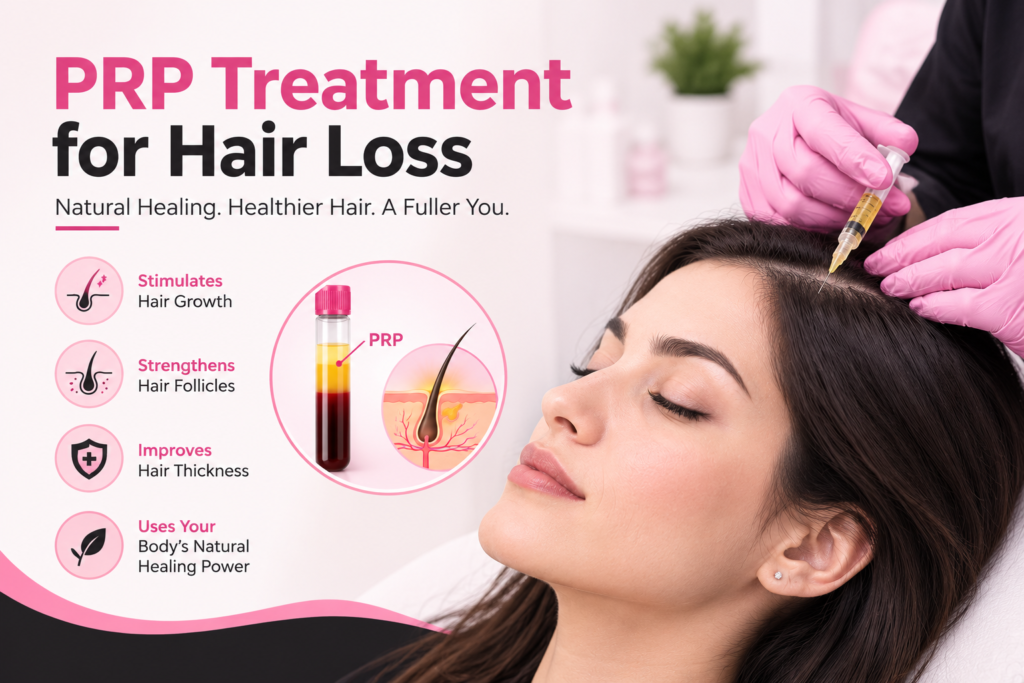
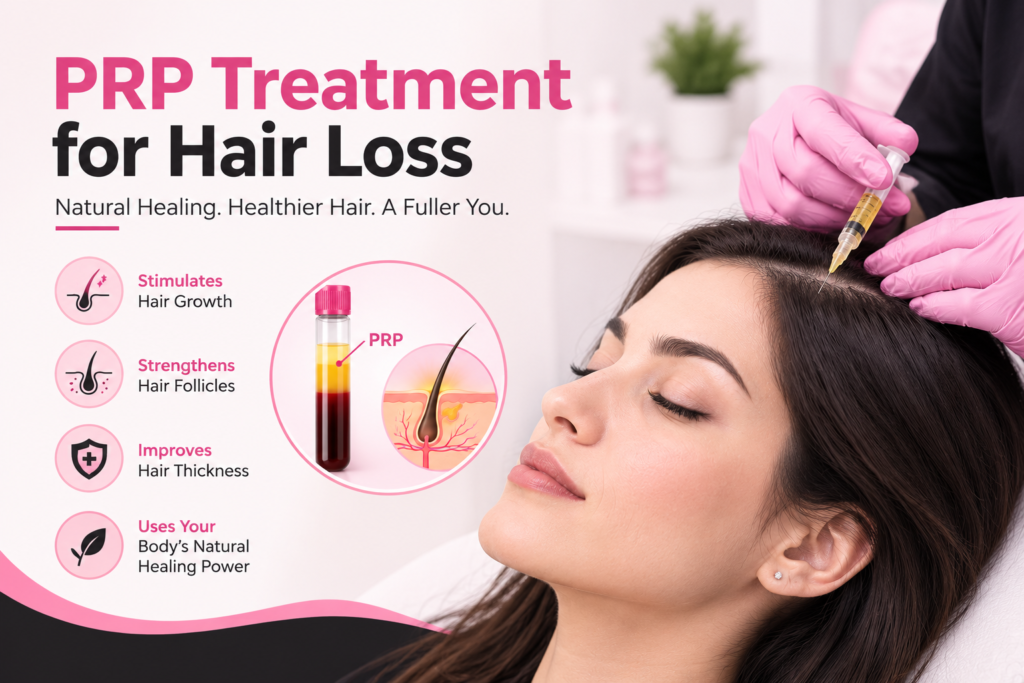
PRP Therapy for Hair Loss stands for Platelet-Rich Plasma therapy. It is a procedure that uses a concentrated portion of a person’s own blood containing platelets and other biological components.
The treatment generally involves:
- Drawing a small amount of blood
- Processing the blood to separate specific components
- Preparing platelet-rich plasma
- Administering the prepared PRP into targeted areas of the scalp
The goal is to use the patient’s own biological material as part of a professional hair restoration approach.
PRP is increasingly discussed as a non-surgical option for individuals experiencing certain types of hair thinning or hair loss.
How Does PRP Treatment Work for Hair Loss?
The PRP procedure begins with a standard blood draw.
The collected blood is then placed into a specialized device, typically a centrifuge, which separates different components of the blood.
This process allows the provider to prepare a concentrated platelet-rich portion for treatment.
Platelets contain biologically active components that play roles in normal tissue processes.
Once prepared, the PRP is administered into selected areas of the scalp by a qualified professional.
The exact treatment protocol may vary depending on:
- The patient’s hair loss pattern
- Scalp condition
- Individual goals
- Provider recommendations
- Treatment response
Because hair loss has multiple causes, a proper consultation is essential before beginning treatment.
Understanding the Hair Growth Cycle
To better understand Hair Regrowth Treatment options, it is helpful to understand the natural hair growth cycle.
Hair typically goes through several phases.
Anagen Phase
This is the active growth phase of the hair cycle.
The duration can vary between individuals and different areas of the body.
Catagen Phase
This is a transitional phase where the hair follicle changes from active growth.
Telogen Phase
This is often described as the resting phase before the hair eventually sheds and a new cycle begins.
Changes in these cycles can contribute to visible thinning or increased shedding.
The underlying cause of hair loss can influence which treatment options may be appropriate.
What Are the PRP Treatment Benefits?
The potential PRP Treatment Benefits can vary depending on the individual and the type of hair loss being addressed.
Research into PRP for hair restoration is ongoing, and outcomes may differ between patients.
Some potential reasons individuals consider PRP include the following.
1. Uses Your Own Blood Components
One characteristic of PRP therapy is that the treatment uses material derived from the patient’s own blood.
This differs from treatments that involve externally sourced substances.
However, using a patient’s own blood does not eliminate all possible risks associated with the procedure.
Professional screening and sterile techniques remain important.
2. Non-Surgical Treatment Option
PRP is generally considered a minimally invasive procedure.
It does not involve traditional surgical hair transplantation.
This may make it an option worth discussing for individuals who are not ready for surgical procedures.
3. Minimal Downtime
Many people are able to return to normal activities relatively soon after a PRP session.
However, aftercare recommendations can vary.
Temporary scalp tenderness, redness, or swelling may occur after treatment.
Your provider should give you specific aftercare instructions based on your treatment plan.
4. May Support a Comprehensive Hair Regrowth Plan
PRP may be considered alongside other professionally recommended approaches depending on the cause of hair loss.
A comprehensive Hair Regrowth Treatment plan may involve:
- Medical assessment
- Scalp evaluation
- Nutritional considerations
- Lifestyle recommendations
- Other evidence-based treatments when appropriate
The best approach depends on the individual’s diagnosis and health history.
Who May Consider PRP Therapy for Hair Loss?
PRP may be discussed with individuals experiencing certain forms of hair thinning.
However, not every type of hair loss has the same cause.
A healthcare professional may assess factors such as:
- Hair loss pattern
- Duration of hair loss
- Family history
- Age
- Hormonal factors
- Nutritional status
- Medical conditions
- Current medications
- Scalp health
A proper diagnosis is important because treating the underlying cause may be necessary.
For example, sudden or unexplained hair loss should be medically evaluated rather than immediately treated with a cosmetic procedure.
What Happens During a PRP Hair Treatment Session?
The exact procedure may vary by clinic and treatment protocol, but a typical PRP session involves several stages.
Step 1: Consultation and Assessment
Before treatment, the provider evaluates your hair and scalp concerns.
You may be asked about:
- Medical history
- Medications
- Allergies
- Previous treatments
- Hair loss timeline
- Family history
This helps determine whether PRP may be appropriate.
Step 2: Blood Collection
A small amount of blood is drawn, similar to a routine blood test.
The amount can vary depending on the treatment protocol.
Step 3: PRP Preparation
The blood sample is processed using specialized equipment to separate its components.
The platelet-rich portion is prepared for the procedure.
Step 4: Scalp Preparation
The treatment area is assessed and prepared.
Your provider may discuss comfort measures depending on the procedure.
Step 5: PRP Administration
The prepared PRP is administered into selected areas of the scalp using an appropriate clinical technique.
The procedure should be performed by a qualified professional following appropriate safety and hygiene protocols.
Does PRP Treatment for Hair Loss Hurt?
Comfort levels vary from person to person.
Because PRP involves injections into the scalp, some individuals may experience temporary discomfort.
The sensation may depend on:
- Individual pain sensitivity
- Treatment technique
- Number of injection sites
- Area being treated
Discuss any concerns about comfort with your provider before treatment.
They can explain what to expect and what options may be available to improve comfort during the procedure.
How Long Does a PRP Session Take?
The duration of a PRP treatment session can vary depending on the protocol.
A session may include time for:
- Consultation
- Blood collection
- PRP preparation
- Scalp treatment
- Aftercare instructions
Your clinic should explain the expected appointment duration before treatment.
How Many PRP Sessions Are Needed?
There is no single number of sessions that is appropriate for everyone.
Treatment recommendations may depend on:
- Type of hair loss
- Severity of thinning
- Individual treatment response
- Provider assessment
- Overall treatment goals
Some treatment protocols involve an initial series of sessions followed by periodic reassessment or maintenance.
However, treatment frequency should be determined by a qualified professional based on individual circumstances.
When Can You Expect to See Results?
Hair growth is a gradual biological process.
As a result, visible changes from a Hair Regrowth Treatment may take time.
Results can vary significantly between individuals.
Factors that may influence outcomes include:
- Cause of hair loss
- Stage of hair thinning
- Age
- Genetics
- Overall health
- Treatment consistency
- Other treatments being used
It is important to have realistic expectations.
No responsible provider should guarantee identical results for every patient.
Regular follow-up appointments can help monitor progress and determine whether the treatment plan should be adjusted.
PRP Treatment Before and After: What Should You Expect?
When considering PRP, it is natural to look for before-and-after results.
However, photographs should be interpreted carefully.
Individual outcomes can differ because of variations in:
- Lighting
- Hair styling
- Camera angles
- Hair length
- Treatment duration
- Underlying hair condition
The most useful approach is to discuss realistic outcomes during a professional consultation.
A qualified provider can explain what may be achievable based on your individual hair condition.
PRP Therapy vs Other Hair Regrowth Treatments
There are several approaches to addressing hair loss.
The right option depends on the cause and pattern of hair loss.
PRP Therapy
PRP uses components derived from the patient’s own blood and is administered through a clinical procedure.
Topical Treatments
Certain topical treatments may be recommended for specific forms of hair loss under appropriate medical guidance.
Oral Medications
Some prescription medications may be considered depending on the diagnosis, patient characteristics, and potential risks.
Hair Transplant Surgery
Hair transplantation is a surgical procedure that may be considered for appropriate candidates with certain types of hair loss.
In some cases, a provider may recommend combining approaches.
The most suitable option depends on an individual’s diagnosis rather than simply choosing the newest or most popular treatment.
Potential Side Effects and Risks of PRP Therapy
Although PRP uses a person’s own blood components, the procedure still involves potential risks.
Possible temporary effects may include:
- Scalp tenderness
- Redness
- Mild swelling
- Bruising
- Temporary discomfort at injection sites
Because the procedure involves injections, infection and other complications are possible if appropriate clinical standards are not followed.
Always choose a qualified provider who follows proper safety and hygiene protocols.
Contact a healthcare professional if you experience severe, persistent, or unexpected symptoms.
How to Prepare for PRP Therapy for Hair Loss
Your provider will give you specific instructions based on your health and treatment plan.
Before your appointment, you may be advised to discuss:
- Current medications
- Supplements
- Existing health conditions
- Previous reactions to medical procedures
Do not stop prescribed medication unless instructed by a qualified healthcare professional.
Following pre-treatment instructions can help ensure the procedure is performed safely and appropriately.
PRP Aftercare: What Should You Do?
Aftercare instructions vary depending on the provider and treatment protocol.
Your clinic may provide guidance about:
- Washing your hair
- Using hair products
- Exercise
- Sun exposure
- Scalp care
Follow your provider’s specific instructions rather than relying solely on general advice found online.
If you experience unusual symptoms, contact your healthcare provider.
How to Maintain Your Hair Health
Whether or not you choose PRP, maintaining general hair and scalp health is important.
Eat a Balanced Diet
Hair health can be affected by overall nutritional status.
Focus on a balanced diet with appropriate nutrients.
If you suspect a nutritional deficiency, seek professional advice before taking high-dose supplements.
Manage Stress
Stress can affect overall health and may contribute to certain types of hair shedding.
Healthy stress-management strategies may include:
- Regular physical activity
- Adequate sleep
- Relaxation techniques
- Maintaining a balanced routine
Avoid Excessive Hair Damage
Frequent exposure to harsh chemicals, excessive heat, or tight hairstyles may contribute to hair damage.
Gentle hair care practices can help protect the hair shaft.
Seek Early Assessment
Early evaluation may help identify the cause of hair loss.
Rather than waiting until thinning becomes severe, consider consulting a qualified professional when you notice persistent changes.
Choosing the Right PRP Treatment Provider
The quality and safety of your treatment depend significantly on the provider.
When choosing a clinic, consider:
Professional Qualifications
Ensure the procedure is performed or appropriately supervised by qualified healthcare professionals.
Consultation Process
A responsible provider should evaluate your hair loss concerns before recommending treatment.
Hygiene and Safety
The clinic should follow appropriate sterile and infection-control procedures.
Realistic Expectations
Avoid providers who promise guaranteed or unrealistic results.
Personalized Treatment Planning
Hair loss affects each person differently.
A good treatment plan should consider your individual needs rather than using a one-size-fits-all approach.
At Dr. Shay’s Wellness Clinic, individuals interested in aesthetic and wellness treatments can discuss their concerns with qualified professionals and explore appropriate options based on their individual goals.
Is PRP Therapy for Hair Loss Right for You?
PRP Therapy for Hair Loss may be worth discussing if you are experiencing hair thinning and are interested in a non-surgical approach.
However, suitability depends on the underlying cause of your hair loss.
A professional consultation can help answer important questions such as:
- What is causing my hair loss?
- Am I a suitable candidate for PRP?
- What results are realistic?
- How many sessions may be recommended?
- Are there other treatment options I should consider?
- What are the potential risks?
Making an informed decision begins with understanding both the potential PRP Treatment Benefits and limitations.
Final Thoughts
Hair loss can be a complex concern with many possible causes. PRP Therapy for Hair Loss offers a minimally invasive approach that uses components derived from a person’s own blood as part of a professional treatment process.
The best first step is a professional consultation to identify the underlying cause of thinning and discuss appropriate treatment options.
At Dr. Shay’s Wellness Clinic, a personalized approach can help individuals explore aesthetic and wellness treatments with realistic expectations and professional guidance.
Frequently Asked Questions
What is PRP Therapy for Hair Loss?
PRP Therapy for Hair Loss is a treatment that uses platelet-rich plasma prepared from a small sample of the patient’s own blood and administered into selected areas of the scalp.
What are the main PRP Treatment Benefits?
Potential PRP Treatment Benefits include a minimally invasive approach, the use of the patient’s own blood components, and its potential role as part of a broader hair regrowth plan. Results vary between individuals.
How many PRP sessions are needed for hair loss?
The number of sessions depends on the individual’s hair loss pattern, treatment response, and provider recommendations. A personalized assessment is necessary.
How long does PRP take to show results?
Hair growth is gradual, and visible changes may take time. Results vary depending on the cause and severity of hair loss and individual treatment response.
Is PRP treatment painful?
Because PRP involves scalp injections, some temporary discomfort may occur. Individual experiences vary depending on pain sensitivity and treatment technique.
Is PRP a permanent solution for hair loss?
PRP outcomes and their duration can vary. Hair loss may be an ongoing condition, and some individuals may require follow-up or maintenance depending on their treatment plan.
Can PRP be combined with other Hair Regrowth Treatments?
Depending on the cause of hair loss and individual circumstances, a healthcare professional may recommend combining PRP with other appropriate treatments.
Who should avoid PRP treatment?
Suitability depends on medical history and other factors. A qualified healthcare professional should review your health before recommending PRP treatment.