
Reaching and maintaining a healthy weight can be an important part of improving overall well-being. However, weight management is not the same for everyone. Factors such as nutrition, daily habits, sleep, stress, medical history, medications, and underlying health conditions can all influence a person’s ability to achieve and maintain a healthy weight.
This is why Weight Loss Treatment should be approached as an individualized health strategy rather than a one-size-fits-all solution. With appropriate professional guidance, people can better understand the factors affecting their weight and choose a treatment approach that aligns with their health needs and long-term goals.
For individuals looking for professional support, choosing an appropriate Weight Loss Clinic Islamabad can also be an important step. A qualified medical team can assess individual circumstances, discuss available options, monitor progress, and make adjustments when necessary.
Medical disclaimer: This article is for general educational purposes and does not replace an assessment or treatment plan from a qualified healthcare professional. Weight loss treatments should be selected based on individual health needs and medical history.
What Is Weight Loss Treatment?
Weight Loss Treatment refers to professional approaches designed to help individuals manage their weight and improve health outcomes. Depending on a person’s circumstances, treatment may involve nutritional guidance, behavioral support, medical assessment, prescription medication when appropriate, or a combination of approaches.
The right treatment depends on factors such as:
- Current health status
- Weight and body composition
- Medical history
- Existing health conditions
- Current medications
- Previous weight-management attempts
- Dietary habits
- Lifestyle factors
- Individual health goals
A healthcare professional can evaluate these factors before recommending an appropriate approach.
Why Weight Management Is About More Than a Number
Weight is only one part of overall health. Two people with similar body weights may have very different medical histories, lifestyles, and health needs.
A comprehensive approach focuses on sustainable improvements rather than short-term changes. Depending on the individual, health goals may include supporting metabolic health, improving energy levels, developing healthier eating habits, or reducing risk factors associated with excess weight.
This is why a personalized treatment plan can be more appropriate than following a generalized approach.
How Weight Loss Treatment Can Support Your Health Goals
1. Provides a Personalized Approach
One of the main advantages of professional Weight Loss Treatment is personalization.
A healthcare professional can review your health history, current concerns, goals, and other relevant factors before recommending an approach. This can help ensure that the strategy is appropriate for your individual circumstances.
Instead of assuming that the same method works for everyone, personalized care considers the reasons behind your weight-management challenges.
2. Helps Establish Realistic Health Goals
Weight-management goals should be realistic, measurable, and appropriate for the individual.
A healthcare professional can help you understand what may be achievable and establish milestones that focus on sustainable progress.
Instead of concentrating exclusively on the number on a scale, goals may also involve improvements in:
- Eating habits
- Daily consistency
- Overall well-being
- Metabolic health markers
- Physical comfort
- Confidence with healthy routines
A realistic approach can make long-term progress easier to manage.
3. Supports Long-Term Weight Management
Losing weight and maintaining weight loss are different challenges.
A short-term approach may produce temporary changes, while a long-term strategy focuses on habits and health factors that can be maintained over time.
Professional weight-management care can help identify barriers to maintaining progress and provide ongoing support when adjustments are needed.
The goal is not simply to reach a target weight but to develop a sustainable approach to health.
4. Considers Underlying Health Factors
Weight can be influenced by many factors beyond food intake.
Medical conditions, medications, hormonal factors, sleep patterns, stress, and other health-related issues may affect weight management.
A medical assessment can help identify relevant factors and determine whether additional evaluation or treatment may be appropriate.
This is particularly important for people who have struggled with weight despite making consistent changes to their daily habits.
5. Offers Professional Monitoring
Some forms of Weight Loss Treatment require medical supervision and regular follow-up.
Monitoring allows a healthcare professional to evaluate progress, discuss concerns, and determine whether the treatment approach needs to be adjusted.
Depending on the treatment plan, follow-up may involve reviewing:
- Weight trends
- Health measurements
- Medication response
- Side effects
- Nutrition
- Lifestyle factors
- Overall progress
Regular communication can help keep treatment aligned with changing health needs.
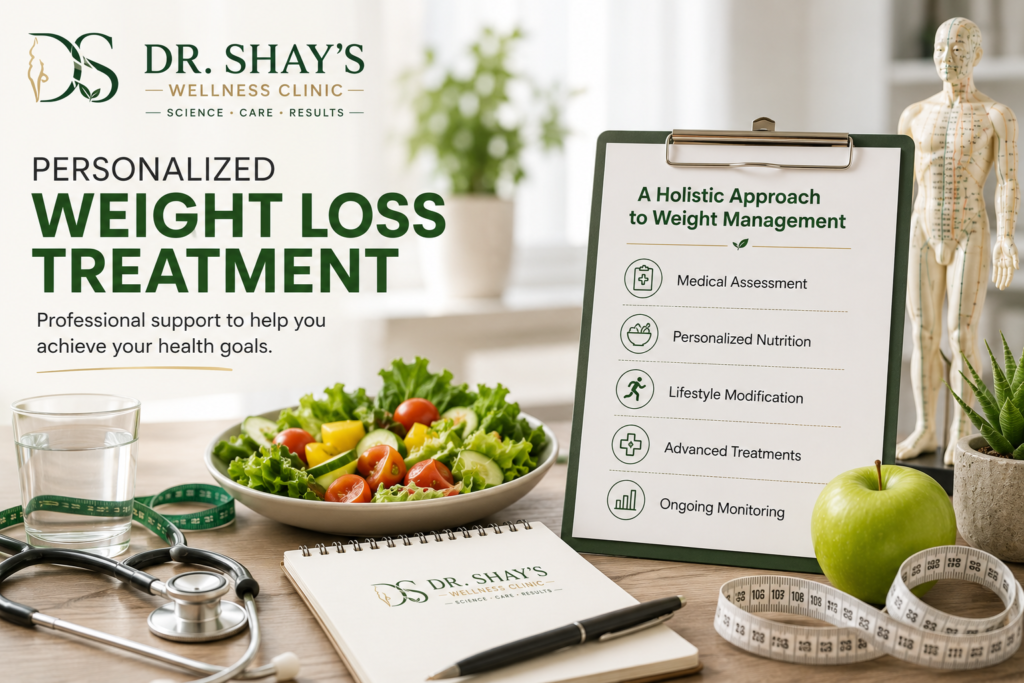
What Can a Weight Loss Treatment Plan Include?
There is no single treatment that is suitable for everyone. A professional plan may involve several components depending on an individual’s health profile.
Nutritional Support
Nutrition is an important part of sustainable weight management.
Rather than focusing only on restriction, professional nutritional support can help individuals understand balanced food choices, portion awareness, meal structure, and habits that are realistic for their lifestyle.
The emphasis should be on creating an approach that can be maintained over time.
Behavioral and Lifestyle Support
Successful weight management often involves changes in everyday habits.
Factors such as sleep, stress management, eating patterns, and consistency can influence progress. Addressing these areas can complement other elements of treatment.
A healthcare professional can help identify practical changes that fit an individual’s circumstances.
Prescription Weight Management Medication
For some eligible individuals, a healthcare professional may consider prescription medication as part of a broader treatment plan.
These medications are not appropriate for everyone and should only be used according to professional medical advice. The choice of medication depends on factors such as medical history, current health status, potential benefits, possible side effects, and other medications being taken.
Medication should generally be considered one component of a comprehensive health strategy rather than a standalone solution.
Ongoing Follow-Up
Weight management can change over time. A treatment plan that works at one stage may need modification later.
Regular follow-up allows the healthcare team to evaluate progress and make informed changes when necessary.
This ongoing approach can be particularly valuable for people who need continued support rather than a short-term intervention.
Choosing a Weight Loss Clinic Islamabad
If you are considering professional weight-management support, selecting the right Weight Loss Clinic Islamabad is an important decision.
Look for a clinic that takes an individualized and medically responsible approach.
1. Qualified Healthcare Professionals
Check whether the clinic has appropriately qualified medical professionals who can assess your health and discuss suitable treatment options.
2. Personalized Assessment
A good weight-management service should consider your individual health profile rather than automatically recommending the same approach to every patient.
3. Clear Treatment Information
Before starting treatment, you should understand what is being recommended, why it may be appropriate, what follow-up is involved, and what you can reasonably expect.
4. Ongoing Monitoring
Weight management is a process. Access to appropriate follow-up and monitoring can help ensure that treatment continues to meet your health needs.
5. A Health-Focused Approach
Choose a provider that emphasizes sustainable health outcomes rather than unrealistic promises or rapid results.
Questions to Ask Before Starting Weight Loss Treatment
Before beginning a treatment plan, it can be helpful to discuss your expectations and concerns with your healthcare provider.
Consider asking:
What approach is appropriate for my health needs?
Every person’s circumstances are different. Ask why a particular treatment is being recommended for you.
What results should I realistically expect?
Understanding realistic expectations can help you make informed decisions and avoid unrealistic goals.
How will my progress be monitored?
Ask how often follow-up appointments may be required and which aspects of your health will be evaluated.
Are there potential side effects?
If medication or another medical intervention is recommended, discuss potential side effects, contraindications, and warning signs with your healthcare professional.
How long will treatment continue?
Some people may require longer-term weight-management support. Your healthcare provider can explain how treatment duration may depend on your response and health goals.
Why Personalized Care Matters
A major challenge in weight management is that the underlying factors can vary significantly between individuals.
For one person, nutrition and behavioral changes may be the main focus. Another person may require medical evaluation or prescription treatment as part of a broader plan.
Personalized care allows healthcare professionals to consider the complete picture.
This can include:
- Medical history
- Current medications
- Lifestyle
- Nutrition
- Weight history
- Health goals
- Relevant health conditions
- Treatment response
The result is a strategy that is designed around the individual rather than a generic formula.
Weight Loss Treatment and Sustainable Progress
Sustainable progress usually requires patience and consistency.
It is understandable to want immediate results, but long-term health goals are often better supported by realistic expectations and ongoing professional guidance.
A sustainable approach may involve gradually improving daily habits while addressing relevant medical factors. When appropriate, medical treatment can complement these efforts.
The focus should remain on overall health and long-term weight management rather than temporary changes.
When Should You Consider Professional Weight Management Support?
Professional support may be worth discussing with a healthcare provider if:
- You have repeatedly struggled to manage your weight.
- Your weight is affecting your overall well-being.
- You have health concerns that may be associated with your weight.
- Previous approaches have not produced sustainable progress.
- You are considering prescription weight-management medication.
- You want an individualized plan based on your health profile.
- You would benefit from professional monitoring and follow-up.
A consultation can help determine whether treatment is appropriate for your circumstances.

What to Expect From a Weight Management Consultation
Your first consultation is an opportunity to discuss your goals and health history.
Depending on the provider and your individual circumstances, the assessment may involve discussing:
Your Health History
Your healthcare professional may ask about previous health conditions, medications, and other relevant medical information.
Your Weight History
Understanding previous changes in weight can provide useful context when developing a treatment strategy.
Your Current Habits
You may discuss nutrition, daily routines, sleep, stress, and other factors that can influence weight management.
Your Goals
Clearly explaining what you want to achieve can help your healthcare provider develop realistic treatment objectives.
Treatment Options
If appropriate, your healthcare provider can explain available options and help you understand the potential benefits, risks, and follow-up requirements.
Building Healthy Habits Alongside Treatment
Weight Loss Treatment works best when it is considered as part of a broader approach to health.
Depending on professional recommendations, this may include improving food choices, maintaining consistent daily habits, prioritizing adequate sleep, managing stress, and following the treatment plan provided by your healthcare team.
Small, sustainable improvements can be more practical than attempting to change everything at once.
Your healthcare provider can help determine which areas should receive the most attention based on your individual needs.
The Importance of Professional Guidance
There is a large amount of weight-loss information available online, but not every recommendation is appropriate for every person.
Medical supervision can help distinguish between suitable treatment options and approaches that may not be appropriate for your health situation.
Professional guidance is particularly important when prescription medication or other medical interventions are involved.
A qualified healthcare professional can help you make decisions based on your health history rather than relying on generalized advice.
Final Thoughts
Achieving a healthier weight can be an important part of your overall health journey, but there is no universal solution that works for everyone.
Weight Loss Treatment can support your health goals by providing personalized assessment, professional guidance, appropriate treatment options, progress monitoring, and ongoing support.
If you are considering professional care, choosing a reputable Weight Loss Clinic Islamabad can help you take a more informed approach to your weight-management goals. The right treatment plan should be based on your individual health needs and should prioritize sustainable progress rather than unrealistic expectations.
If you are considering treatment, speak with a qualified healthcare professional to determine which options may be appropriate for you.
Frequently Asked Questions
What is Weight Loss Treatment?
Weight Loss Treatment includes professional approaches designed to support healthy weight management. Depending on the individual’s circumstances, it may involve nutritional support, lifestyle changes, behavioral strategies, medical assessment, prescription medication, or a combination of approaches.
Who may benefit from professional weight management support?
People who have difficulty managing their weight, have related health concerns, or want individualized professional guidance may benefit from discussing their options with a qualified healthcare provider.
How do I choose a Weight Loss Clinic Islamabad?
Look for a clinic with qualified healthcare professionals, personalized assessments, clear treatment information, appropriate monitoring, and a focus on sustainable health outcomes.
Is Weight Loss Treatment the same for everyone?
No. Treatment should be individualized because health history, medications, lifestyle, weight history, and goals can differ significantly from one person to another.
Does Weight Loss Treatment involve medication?
Medication may be considered for some eligible individuals, but it is not appropriate for everyone. A qualified healthcare professional should determine whether prescription treatment is suitable based on an individual’s health profile.
How long does weight management treatment take?
The timeframe varies between individuals and depends on the treatment approach, health circumstances, goals, and response to treatment. Your healthcare provider can discuss a realistic timeframe during your consultation.
Can Weight Loss Treatment support overall health?
For appropriate patients, effective weight management may form part of a broader strategy for improving overall health. The specific benefits depend on the individual’s circumstances and treatment plan.